
Using genetic information and simulations to predict the future of wild tigers in Central India
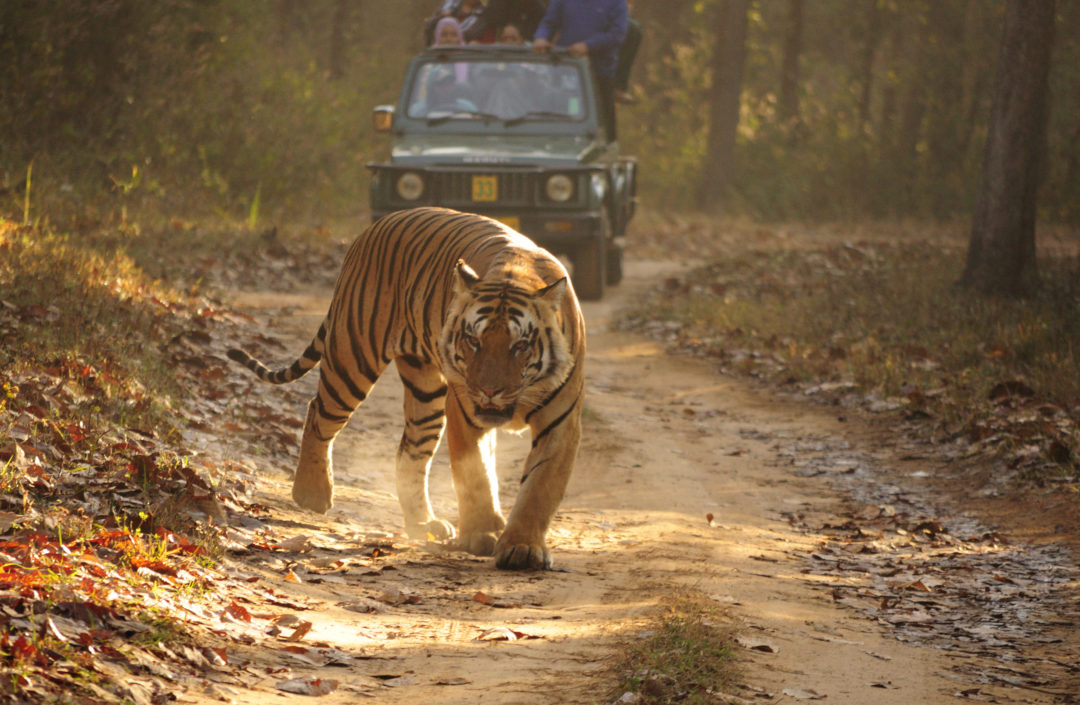
© Prasenjeet Yadav
Aditi Patil
Human activities haveaccelerated the decline and extinction of several animal species in recent times. The frequency with which we are losing biodiversity is higher than ever before. Habitat loss is a major threat to animals across the globe. Forests, grasslands, deserts, and other natural habitats are being replaced by human settlements, roads and industries. Most mammals have lost over half of their historical ranges over time. This has led to a decline in animal populations, placing them at a higher risk of extinction. Fragmenting large tracts of natural habitat is forcing animals to live in increasingly smaller and isolated areas. These small populations may not be able to survive on their own. If isolated animal populations can remain connected to each other through a network of structural and functional corridors that can be used by wildlife, their long-term survival can be secured. Animals will be able to migrate between populations with minimal human disturbance. Maintaining connectivity between animal populations will reduce the chances of local and global extinctions of species.
Continue reading “Using genetic information and simulations to predict the future of wild tigers in Central India”