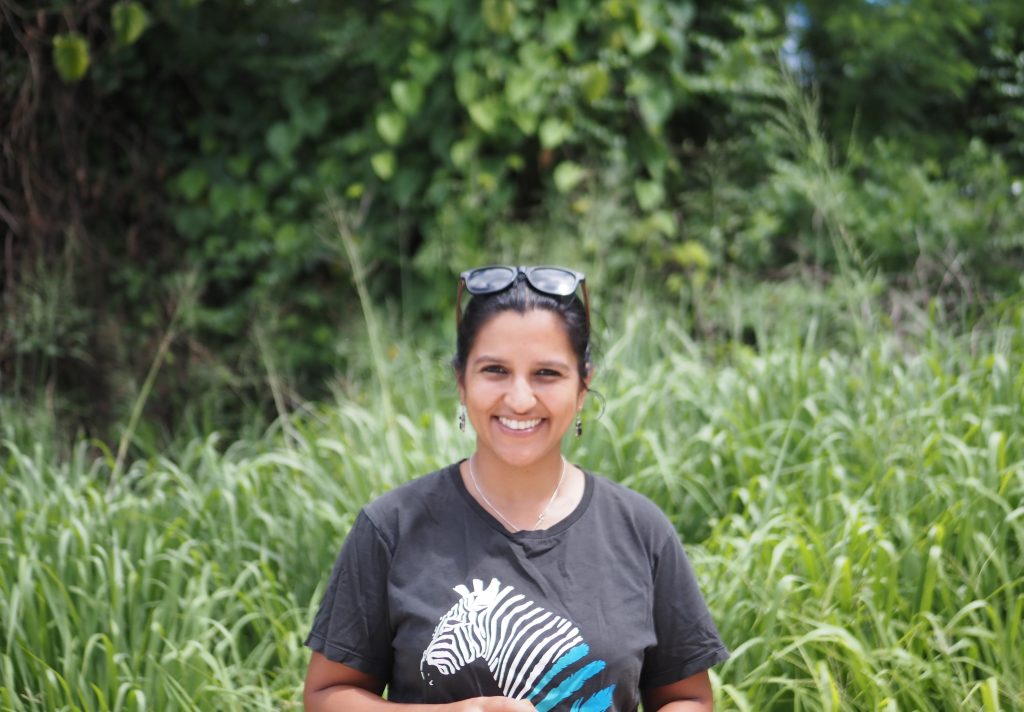
We are back with Corridor Conversations. This time, we speak with designers who have worked on creating a series of visually compelling and creative corridor profiles. All the designers so far have been women! In our second interview of the series, we speak with Rucha Bhave who works with WCS-India
Tell us about your journey so far. How did you choose to work in this field?
I grew up fascinated by wildlife but never considered a career in this field. Design was something I was passionate about, and it wasn’t until I was doing my graduation project that I realised I could combine design and conservation. That was the first project I did in this field. I realised that design has the potential to make wildlife more accessible and appealing, and have been trying to use my skills for conservation since.
You have designed two corridor profiles so far, and are working on a third one now. Could you tell us a little bit about corridor profiles and the process of designing them?
Until I designed my first profile, I did not know much about wildlife corridors. It was an interesting experience for me, learning what wildlife corridors were and why they were important. I tried to use that experience to identify what might make it easier for other people to understand corridors.
Before designing a profile, I spend some time studying the corridor. I speak to experts to identify certain aspects of a corridor that the reader needs to understand at first glance and then see if that information has the potential to become an interesting visual.
Is communicating about corridors different from other types of conservation communication?
A corridor profile is a comprehensive compilation of information about the corridor, its characteristics, and the challenges it faces. The purpose of visuals in a profile is to give the reader a sense of the corridor without having to visit the landscape. Communicating about a corridor is about trying to capture its essence in a few illustrations. The motive of design remains similar to other types of conservation communication, which is to make information more engaging through visuals.
Which is your favourite illustration from the profiles you have designed so far and why?
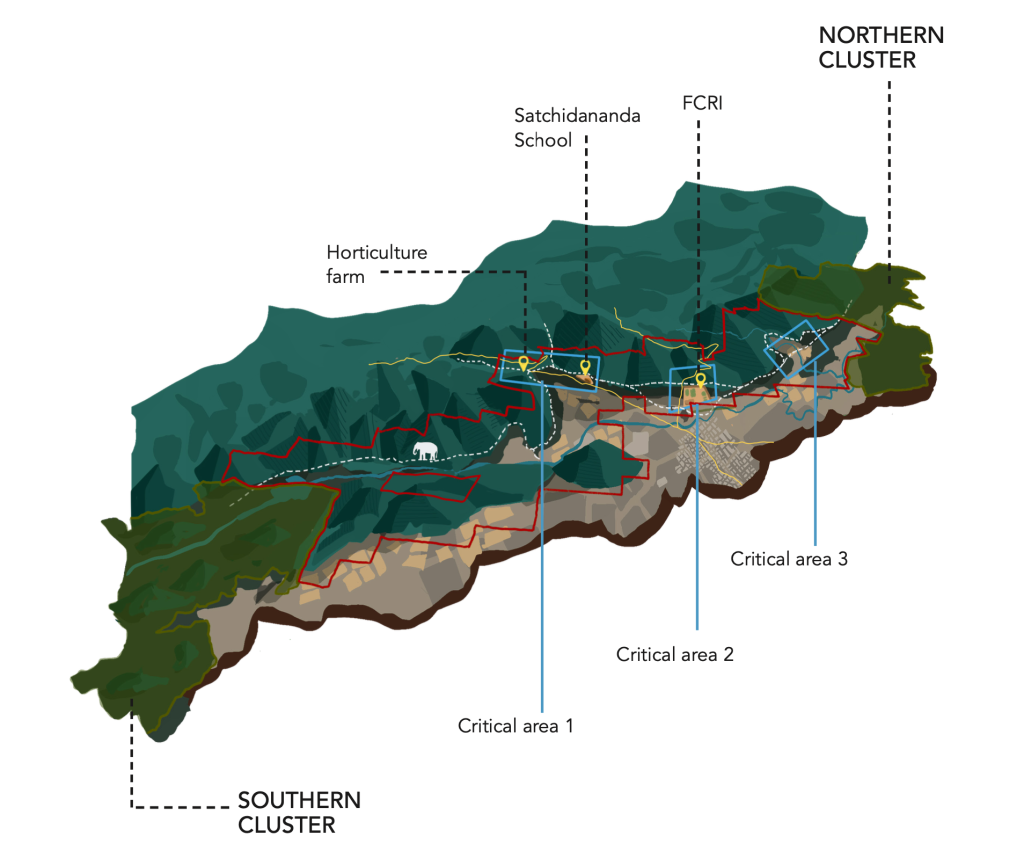
When I was designing my first corridor profile for the Kallar corridor, I had the wonderful opportunity to visit the corridor and understand the landscape. It made a big difference in the way I executed the design for this profile. It resulted in one of my favourite illustrations I have made for the profiles, a map showing the different terrains in the Kallar corridor, the threats the corridor faces and how elephants travel through this space. I think this visual shows the potential illustrations have as a unique medium to convey complex information.
We are back with Corridor Conversations. This time, we speak with designers who have worked on creating a series of visually compelling and creative corridor profiles. All the designers so far have been women!
To kick things off on International Women’s Day 2024, we hear from Raiva Singh, who works with WWF-India, on her journey and work.
Tell us about your journey so far. How did you choose to work in this field?
Nature has always fascinated me since my childhood. It is like a magical house that gives me a sense of wonder about how a single cell can multiply and develop into a full form of life. The tapestry of interwoven colour and life teaches us a lot if we look closely and connect with it.
My mother, an artist, introduced me to colours and various forms of art. She taught me that every colour we use today is found in nature, and every artist takes inspiration from it. She encouraged me to connect with nature when I feel like I have nothing to take inspiration from, as it can awe me with its magical powers and inspire me to move forward.
On the other hand, my father, a botanist, taught me the scientific importance of various flora and fauna. He took me and my brother out to various landscapes and taught us the scientific names of different plants, their use in the ecosystem, and how they provide to us humans.
As I grew up, I developed my own art style, which included nature in everything and inspired me to work in the conservation sector.
Could you tell us about corridor profiles and the process of designing them?
Designing a corridor profile is a valuable learning experience for me. Before starting the design process, I make sure to visit the corridor or study it in-depth along with the people who live and work in the area. This allows me to gain unique insights into the corridor, understand its differences, and identify the challenges it poses.
During this period, I also have the opportunity to learn about a variety of behaviours and interesting facts about the local wildlife, as well as the co-existence stories of humans and animals. I also gain an understanding of the major reasons for conflicts between them and the steps that we are taking to reduce them.
This information is extremely useful when it comes to the final outcome of the design process. It helps me incorporate these factors creatively so that people outside the conservation sector can also become interested in learning more about the corridor and help in conservation.
Is communicating about corridors different from other types of conservation communication?
Yes, not many people are aware of corridors and why it is crucial to conserve them. Though I am not from a conservation background, I learned about it when I joined WWF India. It is fascinating to learn about animal movement and their incredible tendency to adapt. Corridors are a perfect example of how animals can survive and adjust to urban expansion caused by humans. However, the question remains – for how long can they continue to do so?
Which is your favourite illustration from the profiles you’ve designed?
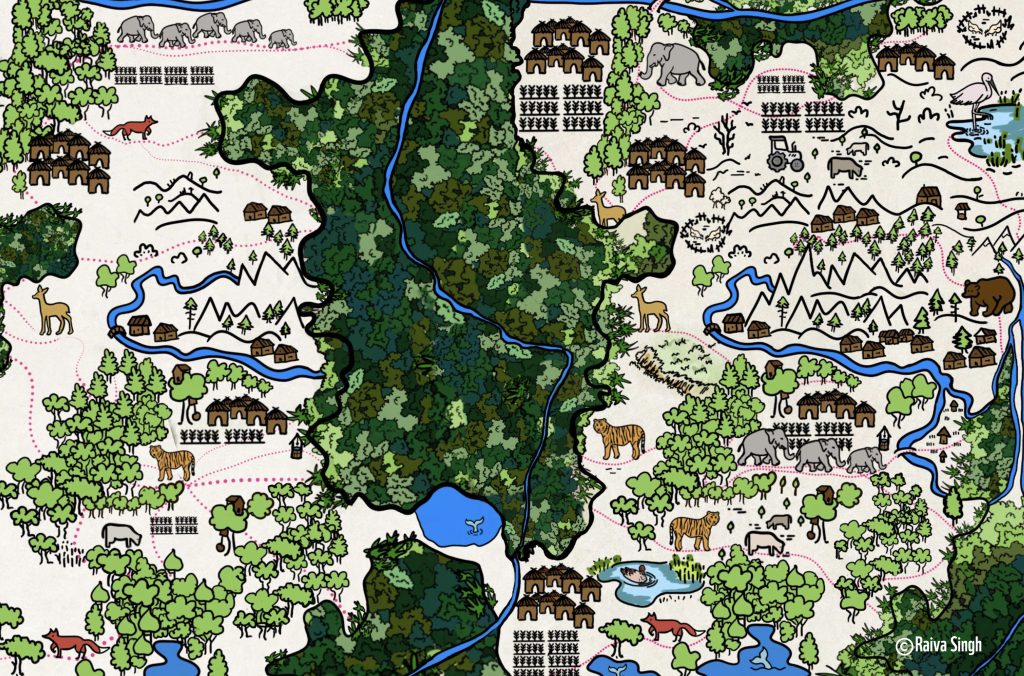
I cannot choose a single illustration as each one represents the uniqueness of different corridors. However, if I had to pick one, I would choose the first illustration I designed for the Coalition for Wildlife Corridors. It shows forest patches, corridors, and the incredible ability of animals to navigate their way through urban mazes. It serves as a learning map for people who do not come from a conservation background, helping them to better understand what corridors are.
Welcome back to Corridor Conversations, and the final interview in our series on women working in connectivity conservation.
Today, Harshad Sambamurthy speaks with Ms. Aradhana Sahu, IFS Officer(2003), Chief Conservator of Forests (Junagarh Wildlife Circle), Gujarat Forest Department.
How has your journey in conservation been thus far? What drew you to this field?
As a botany student, my fascination with the world of plants and animals has always been what has motivated me to pursue a career in this field. I have spent the majority of my childhood in the tribal areas of Orissa. I grew up in a forest area, (as my father was a dam construction engineer). Thus, knowledge of the natural world and of those who lived close to it came naturally. I realised that nature is the very essence of life and a means of subsistence at a very young age. Since I first joined the Indian Forest Service (IFS) in 2003 and entered the field in 2005, I was given the opportunity to work in the agroforestry, wildlife, and high forestry sectors. Ultimately, it has been a wonderful journey with the Gujarat Forest Department so far.
Have you faced challenges as a woman working in conservation? What are some of the stereotypes you have had to fight against/ negotiate?
I have had a great time working in the conservation field. The locals (the general public), staff and officers have always been quite helpful. Nonetheless, I have to admit that the initial days were difficult. Doing fieldwork and leading various teams were some of the biggest hurdles at first, but everyone gradually warmed up. In fact, my co-workers and seniors began offering better resources and platforms. So, it was challenging to be one of the first few women in the state working in this sector, but the drive to protect the forest and wildlife made the challenges seem less imposing.
What are some valuable lessons you’ve learnt that could benefit early-career women conservationists?
I have been working in this field for the last 20 years, but it has taken decades for women to shift from being completely forbidden from pursuing careers in wildlife to being accepted as the norm. So, it is crucial to recognise the opportunities that young women are currently receiving and I urge them to never take your work for granted. Yet, there is still a long way for women to go. As a woman conservationist, the following two lessons have been really helpful to me, and I hope that they will be for other women as well:
You have to work harder than your male counterparts to be recognised in this field. This is my personal opinion.
Many of the battles are won in your own mind because the society in which we grew up probably doesn’t project many women capable of working in tough postings/ interior postings/ field postings or just doing well in male-dominated work places.
In the landscape you work in, what are some of the similarities (or differences) you have observed in how forest-dwelling communities perceive wildlife, and the shared spaces they call home?
The landscape that I currently work in is the Gir Protected Area, which is the only home to Asiatic lions. The “Maldhari” and “Siddi” are the two tribes that live in this area. These people are deeply connected with nature and the wildlife here and have a strong sense of place and belonging, and this connection is reflected in their culture. There are a lot of fascinating tales about the forest where kids play in the fields and lions sunbathe nearby in the same field. They understand that they are sharing their homeland with the big cats and they take great pride in that. In addition to this, they also participate in numerous community-led conservation activities.
What role do you think able leadership plays in ensuring equal opportunities for women?
A capable leader is one that does not take bias into account and offers practical tools and support to assist females in succeeding at the same rate as their male counterparts. The leader should help the organisation in recognising the differences between real-world scenarios and societal expectations, preventing gender-based discrimination, and moreover, not be critical of female employees who are returning to the workplace after maternity leave. Therefore, a strong leader is always useful in ensuring that women have equal opportunities.
Many a time, media coverage focuses on large mammals traversing fragmented habitat. How can we highlight the importance of connectivity for smaller species?
It seems to me that a particular area’s flagship, keystone and/or umbrella species have been the focus of media, rather than purely a purposeful differentiation between larger or smaller animals (ecological importance of the species rather than size of the animal). Also, it is usually the large carnivores that travel long distances to find new mates, food, and territory.
These species are usually selected for making conservation-related decisions, typically because protecting these species indirectly protects the many other smaller and larger species that make up the ecological community of its habitat (the umbrella effect), and thus this umbrella species is in the media and other animals are not. So, from a conservation point of view, all species that have ecological importance should always be highlighted.
Linear infrastructure can often lead to instances of roadkill. Are there examples of mitigation measures from the areas you were posted in (or elsewhere) in Gujarat that you feel have worked and feel to be effective, and think could be used in other landscapes?
Each conservation plan is specific to the environment and the animals that inhabit it. Even so, some mitigation strategies are useful worldwide. For instance, signs have been placed in the prospective corridors warning the public of potential wildlife crossings, the speed restriction for vehicles on roads close to environmentally-sensitive areas has been set at 20 to 40 km/h, and speed breakers have been installed on those same roads. Such efforts have been effective across many landscapes.
Most corridor work in India focuses on tigers and elephants, species not found in Gujarat. Has that resulted in reduced focus on corridor conservation in the state?
Most corridor work in India focuses on tigers and elephants because they are in fact found in various parts of India and hence receive wider attention and focus from the centre, as they should. When it comes to Gujarat, it is also the only abode of the Asiatic lions in the world, so efforts or focus have never been lacking. In fact, in recent years, more and more studies have been conducted on corridors and connectivity of Gir PA. Geospatial techniques play a pivotal role in identifying important corridors and help in taking adequate conservation measures by the Gujarat Forest Department. Most times, radio telemetry data from radio-collared lions are used to estimate their home ranges and evaluate their habitat suitability preferences, and then systematically figure out the best possible route depending on their natural dispersal pattern.
What is the current status of large-mammal connectivity in your landscape? For example, sloth bear movement in the Ratanmahal-Jambughoda corridor. What does the future hold?
I previously worked in the Ratanmahal and Jambughoda landscape and we had discovered the natural dispersal patterns of sloth bears between Jambughoda, Shoolpaneshwar and Ratanmahal. They sometimes ventured out of the sanctuary. Therefore, we had taken up a project of maintaining an ecological corridor in that landscape in collaboration with a University.
Where I presently work, in Gir, various other PAs have been established near the Sanctuary. For instance, Paniya Wildlife Sanctuary (WLS), Mitiyala WLS, Ambardi Safari Park, Girnar WLS, Barda WLS. All these WLS have good connectivity with the Gir National Park and Sanctuary. The local people who have joined in as Vanya Prani Mitra (to help manage instances of human-wildlife conflict) and trackers help in spotting/managing these animals through the landscape and act as first-responders; communicating immediately with Forest Department officials. So, updates about wildlife whereabouts are provided. Hence, the future looks promising as several upcoming projects about lions highlights the importance of much-needed safe passage for other wildlife as well. Additionally, because of the Forest Department’s consistent awareness campaigns, even the locals of the landscape are aware of the value of corridors.
What are the foreseeable challenges in maintaining habitat connectivity? Realistically speaking, can they be maintained in the long-term, or is the arm of socio-economic development bound to cut through this longevity?
No matter how many times we check the weather, it can change within the hour. Similarly, just when we think we understand wildlife conservation, we are exposed to some new behaviour and our thinking is completely altered. Science is constantly evolving and so are people. I think there are, and always will be, challenges in this field. As habitat continues to be fragmented, degraded, and lost to development, the need for a coordinated connectivity network is growing. Better habitat connectivity will allow wildlife to migrate and disperse with the changing seasons, boost biodiversity and resilience in degraded ecosystems, safeguard genetic flow between populations, and ensure species are better able to adapt to our changing climate. Sustainable practices are the need of the hour, smart investment in habitat connectivity projects will help connect protected landscapes in the long-term.
With corridors not recognised as a legal category, how does the Forest Department navigate that space? Is there internal clarity/ policy in place? What are some of the challenges here?
The Department relies on the natural dispersion patterns of lions. We have a High-Tech unit at Sasan-Gir where constant monitoring of the radio- collared animals is being done. This data along with the valuable input from the locals on the whereabouts of the lions are highly useful in establishing connectivity for wildlife here. Recently, one male Asiatic lion started naturally dispersing towards the Barda Wildlife Sanctuary and reached the Sanctuary on the night of 19th January 2023. The team of forest staff then continuously tracked and monitored the individual. Local people also informed the forest staff about lion sightings when it crossed roads. Staff also found pug marks in the reserved coastal forest also. The Porbandar Forest Division staff deployed camera traps to confirm the lion’s presence.
As the individual was in proximity of Porbandar city and to avoid any conflict, a rapid response team was made by Porbandar Forest Division to continuously check the individual’s movement. Therefore, to avoid any mishap, awareness sign boards and vehicle speed control measures were taken. As people were new to the presence of a lion in their area, it was crucial to spread awareness and sensitise them. The Porbandar Forest Division staff took the help of various stakeholders to spread awareness among the local people. The awareness materials were distributed in the lion movement villages. The help and support of local NGOs were also taken. The people were also sensitised regarding beneficiary-oriented schemes (Machans, cattle kill compensation, the construction of parapet walls around the open wells, etc.) of the Gujarat Forest Department. So, although there is no specific law or policy regarding wildlife corridors, stringent measures are taken to protect the animal. Challenges would be the attitude of the local people towards wildlife. Thankfully, the people of Gir PA have revered the wildlife here as a God-given entity and have always been cooperative, but there have been instances of harassment and retaliatory actions which can occasionally be a problem.
How can we map wildlife connectivity in a future that is likely to have more humans, and therefore more human-wildlife interactions? Is that a disaster waiting to happen or a global case-study in co-existence?
Overlapping boundaries of forests and human communities have many times resulted in the occurrence of human-animal conflict/interaction. What I have observed so far is that it is not merely the presence, absence, or number of people, but it is the utilisation of the same landscape over the same time which is crucial in wildlife-human conflict management; so definitely more case studies will contribute towards better co-existence of both.
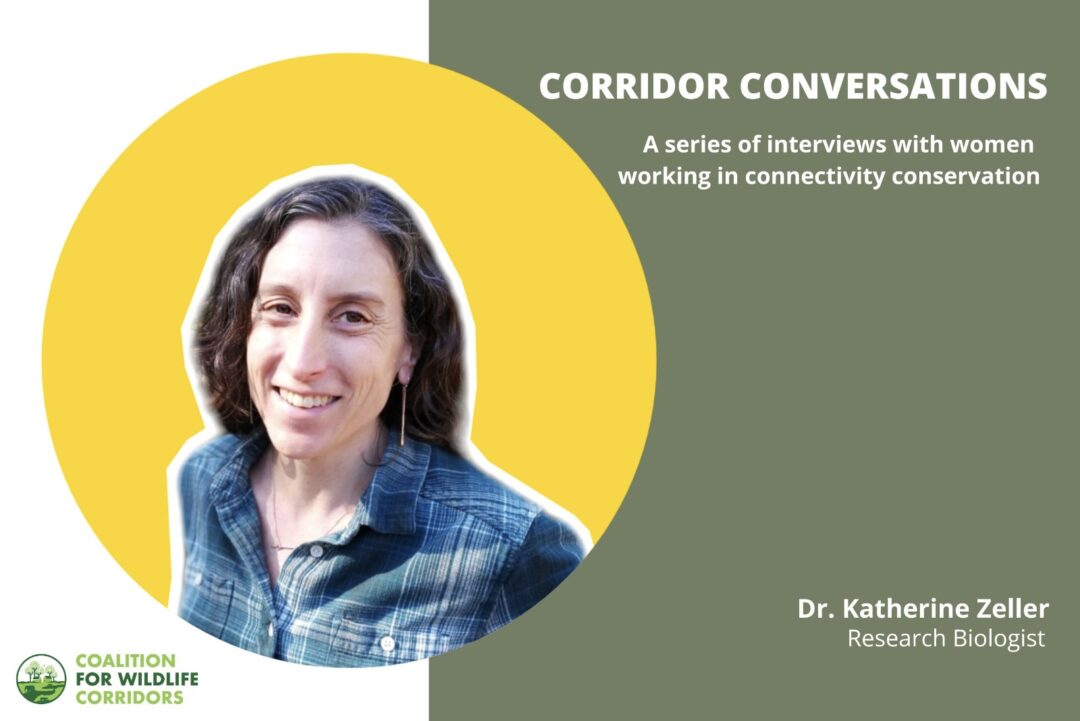
Welcome back to Corridor Conversations, and the next interview in our series on women working in connectivity conservation.
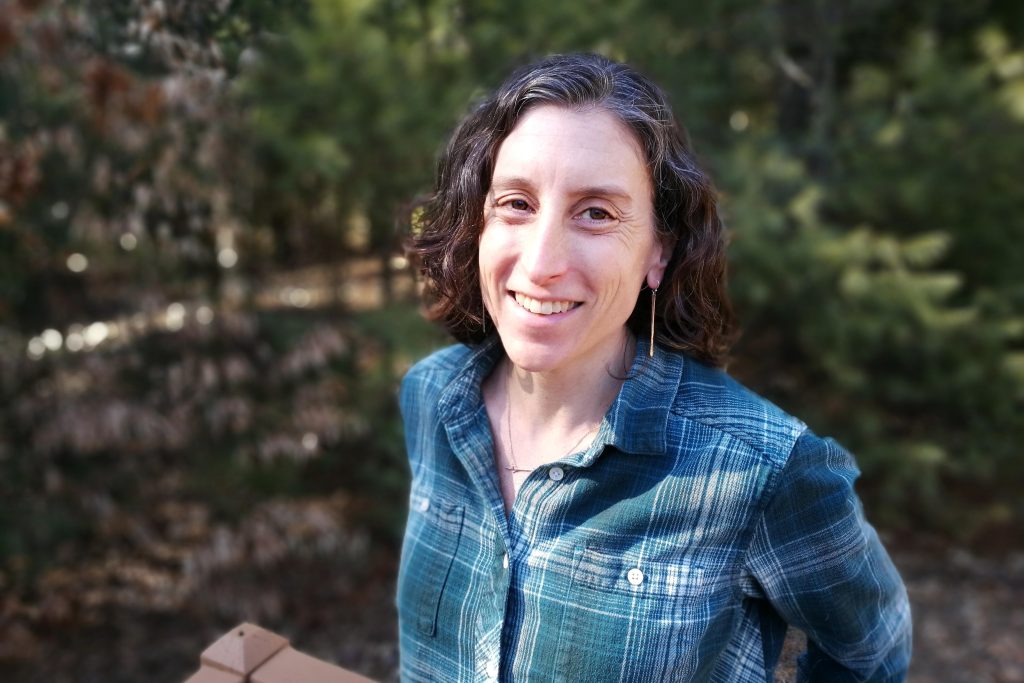
Today, Harshad Sambamurthy speaks with Dr. Katherine Zeller, Research Biologist with the Aldo Leopold Wilderness Research Institute.
Dr. Katherine Zeller
How has your journey in conservation been thus far? What drew you to this field?
I feel incredibly lucky to have had the opportunity to work in different parts of the world, with different species of wildlife, and on important conservation questions. And in my current position, I get to work on research questions related to wilderness and other similarly protected areas, which is very rewarding. I was drawn to this field from almost the moment I set foot in Alaska. I was there for my first field technician job after I obtained my B.S. – it was my first experience with truly large and wild places (along with truly large wildlife!) – and I was immediately hooked. From that point on, I knew I wanted to work in, study, and maintain these large wild places. That began my journey studying large scale conservation networks and spatial ecology, a large part of which is assessing connectivity and wildlife corridors.
Have you faced challenges as a woman working in conservation? What are some of the stereotypes you have had to fight against/ negotiate?
I think women in many STEM fields can relate to the sexism that is inherent in science, and I have certainly faced challenges in my career. Representation of women and other underrepresented groups in conservation is, thankfully, growing, but earlier in my career I was often the only woman on research teams. My contributions were often dismissed or ignored, forcing me to work harder for my ideas to be heard and for team members to regard me as a peer and respect me.
What are some valuable lessons you’ve learnt that could benefit early-career women conservationists?
For me, I found women mentors to be extremely valuable. They taught me lessons they learned through their own experiences and were great sounding boards for questions or advice. It is always nice to have someone to talk with who has had a similar path and can relate to your experiences.
I also found that, if you can build a good community of people to work with who respect each other, that goes a long way for supporting each other’s work and elevating each other’s accomplishments. For example, many times when women propose ideas, they aren’t really heard, or don’t immediately get taken seriously. Having people who support you and your contributions and who can amplify your voice in a room (and vice versa) is incredibly valuable and can shift negative power dynamics.
Lastly, I feel like we don’t take enough time to acknowledge and celebrate accomplishments. There’s a sometimes overwhelming amount of work to be done in the field of conservation so often we just move onto the next project, but there is such value in taking some time to celebrate accomplishments and wins – no matter how small. We should all be proud of the work we’re doing.
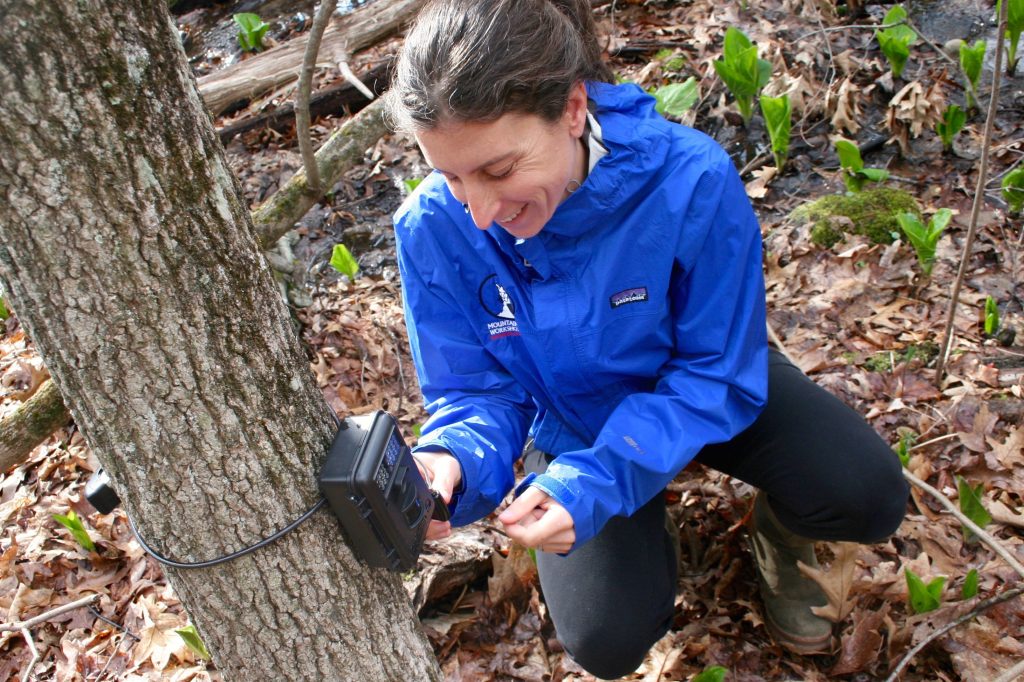
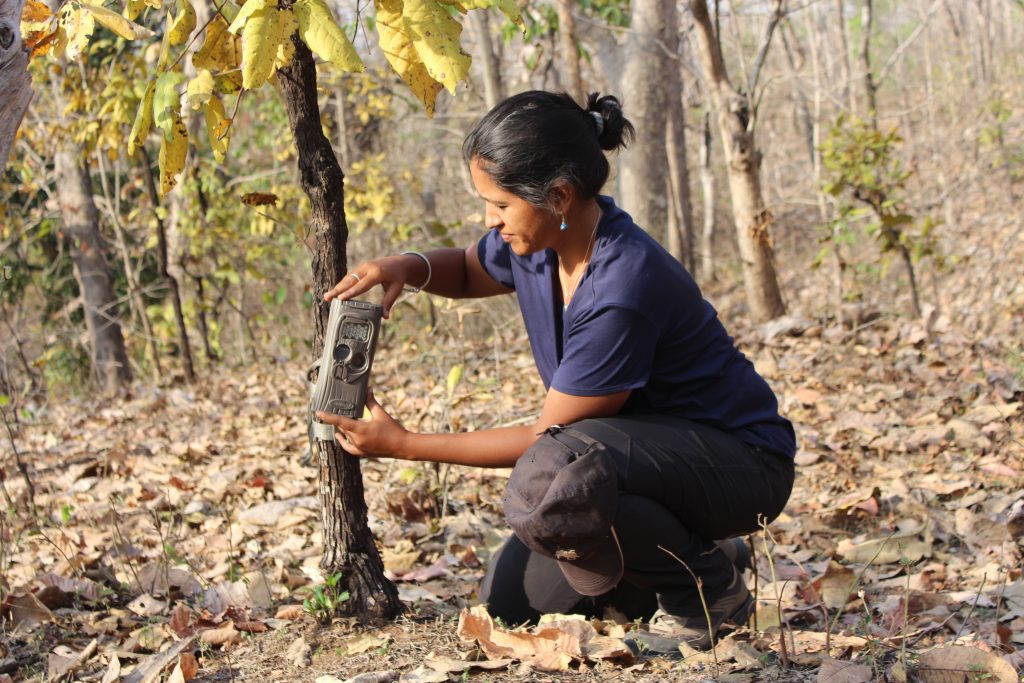
In the filed, gathering data from a camera-trap
In your research, what are some of the best-practices you’ve identified for assessing connectivity and mapping corridors?
I’m glad you asked this, because this question has actually inspired a lot of my research. In the early to mid 2000s, I was working on the Jaguar Corridor Initiative, using the best-practices at the time to model jaguar connectivity. We were mapping connectivity at broad scales — across the entire range of the species. Before on-the-ground implementation work was initiated, I wanted to obtain some field data to validate these corridors. Essentially, I wanted to be sure that the mapped corridors were actually the best places for jaguar connectivity and that we were spending conservation dollars wisely. When I started to conduct the field validation, we were sometimes finding that the mapped corridors didn’t align exactly with what we were finding on the ground. This is not totally surprising since the broad scale corridor models might not totally reflect reality, however, it did raise a red flag for me. Many conservation organisations at the time were using similar corridor modelling techniques and I was worried that conservation dollars weren’t going towards the best areas for maintaining connectivity. It actually inspired me to go back to school to obtain my Ph.D. to study this very question. We still don’t have a definitive answer, since we couldn’t look at every corridor model for every wildlife species and in different study areas, but what we’ve learned so far is that corridors modelled from GPS collar data, tend to capture animal dispersal routes better than corridors modelled from other data types. This is closely followed by using genetic data, which is followed by simple presence/observation data. In terms of the specific corridor model used, we’ve found models based on cost distance algorithms, like resistant kernels, sometimes outperform those based on circuit theory, like CircuitScape. But again, much more research is needed before we have any real rules of thumb that can be applied across species and situations. Plus, new methods are continually being developed, so it remains an important question and one I continue to explore in my research.
As you know, maintaining corridors can help connect habitats and populations so that they are less genetically isolated from one another; leading to overall increase in the robustness of a given species’ gene pool, and the overall area available to them. Species have sometimes been rescued from isolation through translocation of animals. In your experience, are there examples of establishing corridors that have aided in genetic rescue?
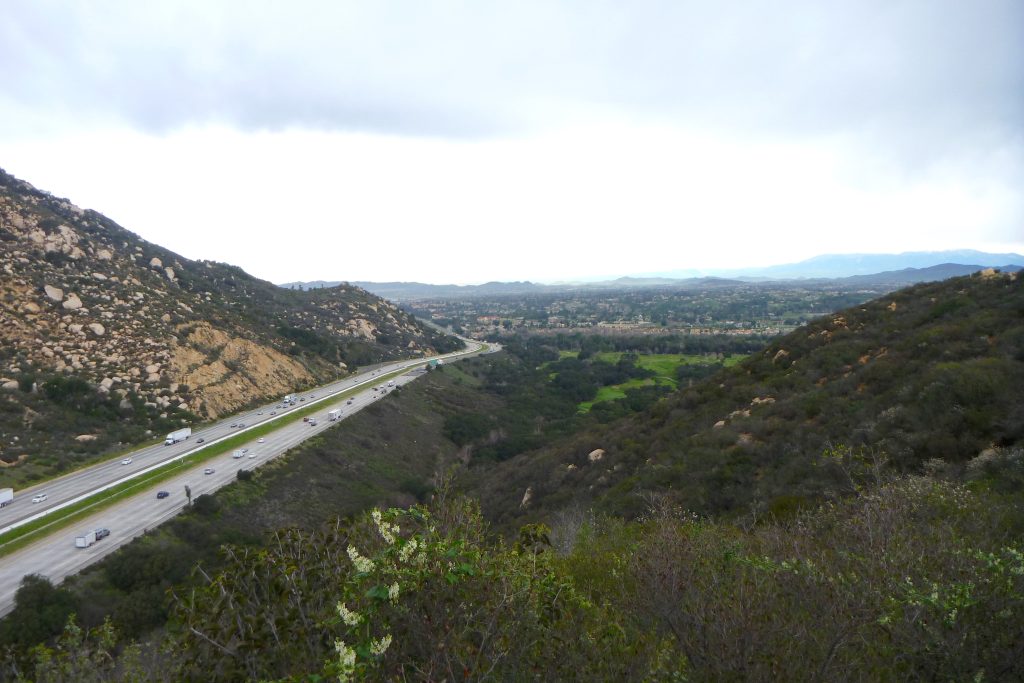
There are certainly studies that have demonstrated gene flow through corridors and road crossing structures. This question made me think of the population of mountain lions that I studied for my Ph.D. It was a relatively small population in southern California, right between L.A. and San Diego, so it was isolated from other mountain lion populations in the region by a lot of development. With only about 20-30 cats in this area in any given year, they were starting to show signs of inbreeding — both through their genetics and outward physical characteristics like kinked tails. The problem was that no new genes were making their way into the population because mountain lions from surrounding populations were not able to immigrate in. But then, one cat, M-15, finally did and just by the successful dispersal and breeding of this one male into this population, inbreeding declined, and genetic rescue was documented. Now, there are efforts to build a crossing structure for wildlife across one of the 8-lane highways that border this population. A crossing structure such as this, with appropriate fencing, will help wildlife move into and out of this area and help maintain mountain lion and other wildlife populations without the need for translocation of animals.
The last best chance at connecting the Santa Ana mountain lion population to other populations in southern California. This freeway is a stretch of Interstate 15 south of Temecula, CA (Image Credit: Katherine Zeller)
Your research in jaguar connectivity across the big cat’s entire range led to the establishment of the Jaguar Corridor Initiative. Can you tell us more about the initiative and the value of mapping connectivity across the entire range of a species?
The Jaguar Corridor Initiative (JCI)was born out of ideas of lots of people concerned about the trajectory of this species. First, there was a range-wide exercise in late 1990s, led by Eric Sanderson and others at the Wildlife Conservation Society that looked at where important populations of jaguars were, and how representative these populations were of different geographic regions across the range. From this information, they prioritised the conservation of these populations for the first truly range-wide assessment of this species. Not long after this exercise was done, a jaguar genetic study came out by Eduardo Eizirik and colleagues that showed there was a good amount of genetic exchange across the range of the species, indicating jaguars were regularly dispersing among populations and maintaining genetic viability. This was a lightbulb moment for Alan Rabinowitz, who realised, to truly conserve this species, movement routes or corridors needed to be maintained along with the populations. I then modelled the JCI, bringing together all of these ideas into a single conservation network for the species and highlighting priority areas for conservation for both jaguar populations and corridors. The value of taking this birds-eye view across a species range is that we’re able to identify important areas at this larger scale that you might otherwise miss at smaller scales – say a key corridor that might be the only link between populations in Central and South America, or a key population, that, if lost, will significantly impact the structure of the conservation network.
Linear infrastructure can often lead to instances of roadkill. What are some of the mitigation measures you feel to be effective, and think could be used in other landscapes as well?
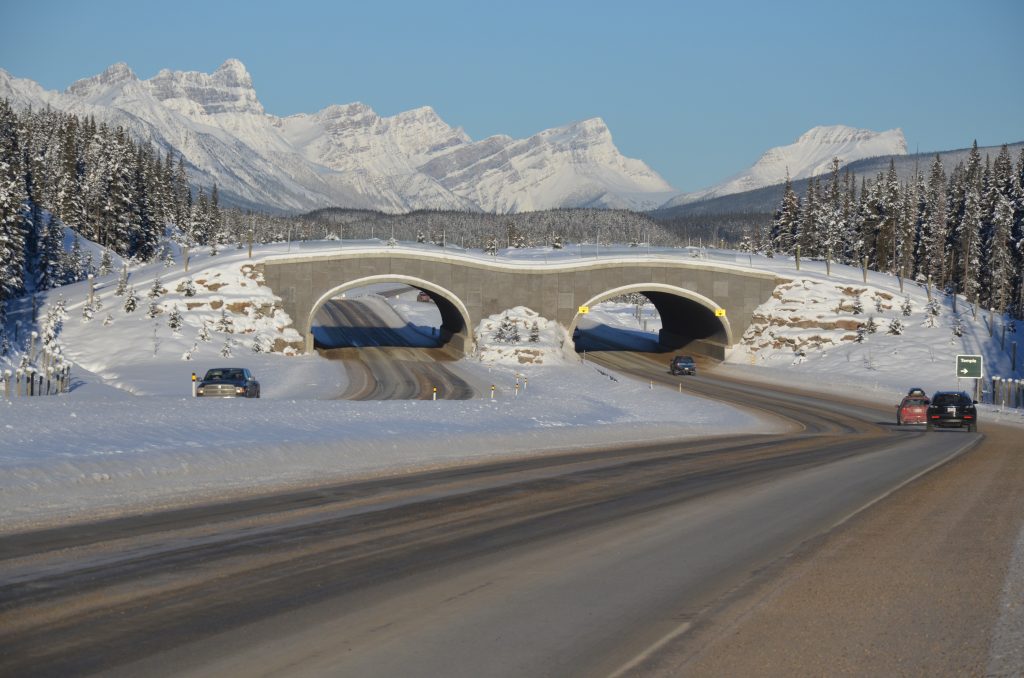
There have been many studies done on this, and for large mammals at least, the evidence points to crossing structures, either underpasses or overpasses, built with fencing directing animals to the structure to be the most effective mitigation measure for getting wildlife safely across a roadway and keeping motorists safe. Various studies have looked at the effectiveness of these configurations and have shown that they can be over 80% effective at preventing wildlife vehicle collisions. In some study areas, for ungulates, the effectiveness can be over 90%, which is really promising. Other mitigation tools, like reducing vehicle speed limits, or large animal detection systems, have not been as effective. Wildlife crossing structures with fencing can be used in many landscapes and are, in fact, being implemented in many places around the world.
A lot of research and conservation efforts are focused on umbrella species, often large mammals, and their preservation. How can we highlight the importance of connectivity for smaller species?
More and more, people are recognising the importance of assessing connectivity at multiple scales, from the larger scales that are more appropriate for species that are capable of moving long distances, to the smaller scales that are more appropriate for species that may not be able to move as far. One challenge for modelling connectivity for smaller scales is the lack of highly resolved geospatial data. Smaller species may be responding to landscape features that are smaller than the resolution of the data we can put into the models, creating a mismatch in scale of the movement process. However, things are changing, and geospatial data is becoming available at finer resolutions, hopefully making it easier to model connectivity for smaller species and more easily incorporate smaller species into connectivity planning.
In your work on road ecology, you have used movement and genetic data to identify road crossing hotspots for large mammals. How easy or difficult is it to ensure that such research gets used by infrastructure engineers and planners? Are there any instances of mitigation measures being retrofitted based on research?
Some of my work has been motivated by questions that transportation departments have had regarding wildlife and motorist safety. And, some of my road ecology research has been borne out of data from GPS collared animals. From these data we can identify and model road crossing locations where mitigation measures might be successful.
Several corridors are mosaics of fragmented forests and other land uses. From your work in these multi-use spaces, do you get a sense that the importance of these mosaics for connectivity is recognised by the stakeholders?
If you had asked me this question 10 years ago, I might have had a different answer, but due to a lot of great work by scientists, non-profits, and others, I think that more and more, people understand the concept of ‘connectivity’, and that it isn’t just forest, or grassland, but as you say, a mosaic of different land cover and land use types. In fact, the importance of connectivity is now being recognised by many governments. For example, here in the U.S., there requirements to consider connectivity within different land management agencies, like the Forest Service and the Bureau of Land Management, and most recently, the Office of the President released guidance for Federal Departments and Agencies on Ecological Connectivity and Wildlife Corridors. This recognition of the importance of connectivity, from an individual landowner, all the way up to the federal government is very encouraging.
What are the foreseeable challenges in maintaining habitat connectivity? Realistically speaking, can they be maintained in the long-term, or is the arm of socio-economic development bound to cut through this longevity? We could perhaps take Brazil as an example (i.e. development of the agriculture sector vs. preservation of jaguar habitat). Any other examples you would like to highlight?
Because the concept of ‘connectivity’ can incorporate multiple land cover types, land uses, and land ownership, it is a concept that is not only difficult to communicate, but also to implement. Connectivity conservation, especially initiatives that are larger than a single road crossing location, is not like conventional protected area conservation. It takes buy-in from many interests such landowners, partners, and jurisdictions. As you point out, some of those interests are commercial – or even as straightforward as a landowner wanting to increase grazing on their land to earn a better living – so it really is a balancing act between maintaining connectivity and these interests. Realistically, sometimes that balance will fall to development and sometimes it will fall towards conservation, but the magic is in areas where a successful balance on both sides is reached.
In my experience, one example of this is the Barbilla-Destierro Corridor in Costa Rica. It is an important area for jaguar connectivity and through the hard work of folks at Panthera Costa Rica and others, it has been a really inspiring example of connectivity conservation. The corridor was facing many threats, but there are two examples that I’ll highlight. One example was the hydroelectric dam that was proposed on a river through the corridor that was to flood a main area of the corridor. Panthera Costa Rica was able to work with the energy company to direct flood mitigation efforts to areas of the corridor that would benefit from forest conservation and reforestation, thereby mitigating the effects of the flooding and maintaining connectivity in the corridor that otherwise might have been lost. Another example comes from the many dairy farmers in this area. Their problems were two-fold. First, they were having trouble with predation on their herds, and second, due to the rugged nature of the area, they were having trouble getting their milk to market and selling it for a fair price. The connectivity initiative brought many of these farmers together for the first time and they were inspired to form their own dairy cooperative – setting fair prices and working together to solve their transportation issues. They were also amenable to predator mitigation efforts that made their herds safer and healthier, increased yields and profits, and encouraged more tolerance of jaguars. In addition to working with companies and land owners, there have been many education initiatives in the corridor, bringing communities together to educate young and old about the importance of their lands to jaguars and other wildlife and increasing their sense of stewardship of the area.
Working from the national level to local residents has proven to be a successful model, but the work must be continually ongoing. In conservation, you’re never done with a project, the work will always continue, but the parameters of that work might change because new challenges will always arise.
How can we map wildlife connectivity in a future that is likely to have more humans, and therefore more human-wildlife interactions? Is that a disaster waiting to happen or a global case-study in co-existence?
I think some success stories have been the return of grizzlies and wolves to areas of the U.S. where they had been extirpated – and this is at a time when more people are living in the area than ever before. So, I think there’s a lot of hope. One exciting development for research is bringing more socio-economic data into connectivity models. Recognizing that successful connectivity isn’t only about what species need but is also about how tolerant humans might be of a species living in or passing through an area. There’s been a lot of great work done on combining wildlife ‘resistance’ to movement to various landscape features (typically the layer upon which connectivity is modeled, for example, roads might have a high resistance, whereas forests have a low resistance), with ‘anthropogenic resistance’, that represents the impacts of human behaviors on wildlife movement. This can help identify areas where different mitigation or restoration efforts might be needed and what approaches to promote co-existence might be most successful in an area.
Welcome back to Corridor Conversations, and the next interview in our series on women working in connectivity conservation.
Today, Harshad Sambamurthy speaks with Parvathi K. Prasad, Research Affiliate with Conservation Initiatives.
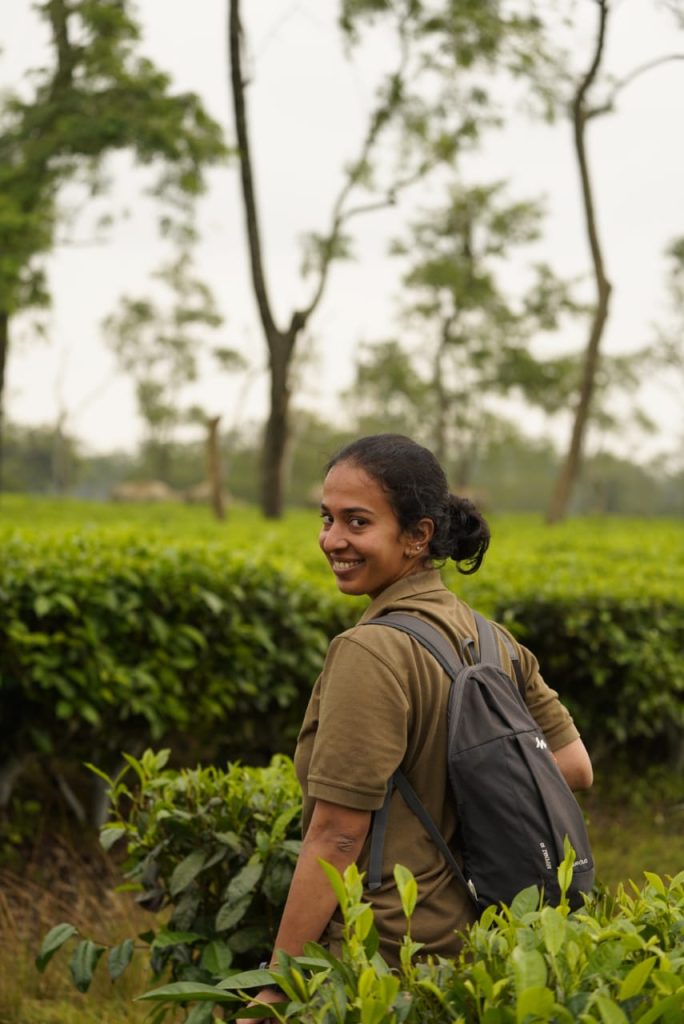
Parvathi K. Prasad (Image Credit: Pranav Vajapeyam)
How has your journey in conservation been thus far? What drew you to this field?
My interest in wildlife began at a young age. My father was, and continues to be interested in wildlife. As a result, almost all of our family trips during my school days were to Karnataka’s protected areas. I loved being around and watching wildlife! The idea of doing something more about my interest in wildlife came about much later.
For my BSc, I studied Biotechnology; but it was during my BSc days that I learnt of Masters courses in Wildlife Biology, and increasingly found myself drawn towards a career in wildlife. I took up some short-term volunteering opportunities that allowed me to experience the forests of Karnataka on foot for the first time. It was wonderful! Following my BSc, I took some time off of academics to work at Centre for Wildlife Studies, Bangalore. I was part of a research project that examined human–wildlife interactions around those very forests that had instilled in me a love for wildlife. It was my first experience with a research project, and the first time I engaged with local communities’ perception of, and experiences with wildlife—it taught me much.
Following a Masters in wildlife biology, I have been working in Assam’s Kaziranga–Karbi Anglong landscape—an amazing landscape that is seasonally dynamic and is home to rich biodiversity. Kaziranga is also an extremely interesting system to study elephant ecology and human–elephant interactions—the focus of my work at Conservation Initiatives, as well as my ongoing PhD at Deakin University. Working here has taught me what it takes to work in a landscape long-term, and the value of doing so.
While the journey in this field so far has been fun and exciting for the most part, I have had my share of self-doubt and low confidence. Fortunately, I work with great mentors—Dr. Varun R. Goswami and Dr. Divya Vasudev—who encourage me to push my limits and instil confidence in me.
Have you faced challenges as a woman working in conservation? What are some of the stereotypes you have had to fight against/ negotiate?
To be honest, I have been lucky in this regard; being a woman in this field has not been greatly challenging for me. During the course of this journey, there may have been a few instances of restrictions with regards to field work or individuals not taking me seriously, but mostly, my experience has been positive. Mentors and colleagues have been supportive, respectful and have always made me feel secure.
What motivates you, as you continue to contribute to this field of work?
Conservation, or even just concern for the natural world, can often make you feel disheartened and generally negative, but there is also much to look forward to. I think exciting research and conservation success stories from around the world keep me motivated. It is encouraging to see research translating into policy or conservation actions, and to know that efforts have paid off.
I also think that building conservation awareness and interest in people is extremely important. With that in mind, I feel motivated each time I get someone interested in wildlife, or when research findings and conservation messages reach people—whether it is through one-on-one interactions, social media or engagement with local communities.
Lastly, and most importantly, I think wildlife itself is the biggest motivating factor. Sometimes, it is easy to get lost in the day-to-day tasks and lose perspective of what drives us. In such times, spending some time just observing and appreciating wildlife reminds me of why I am here.
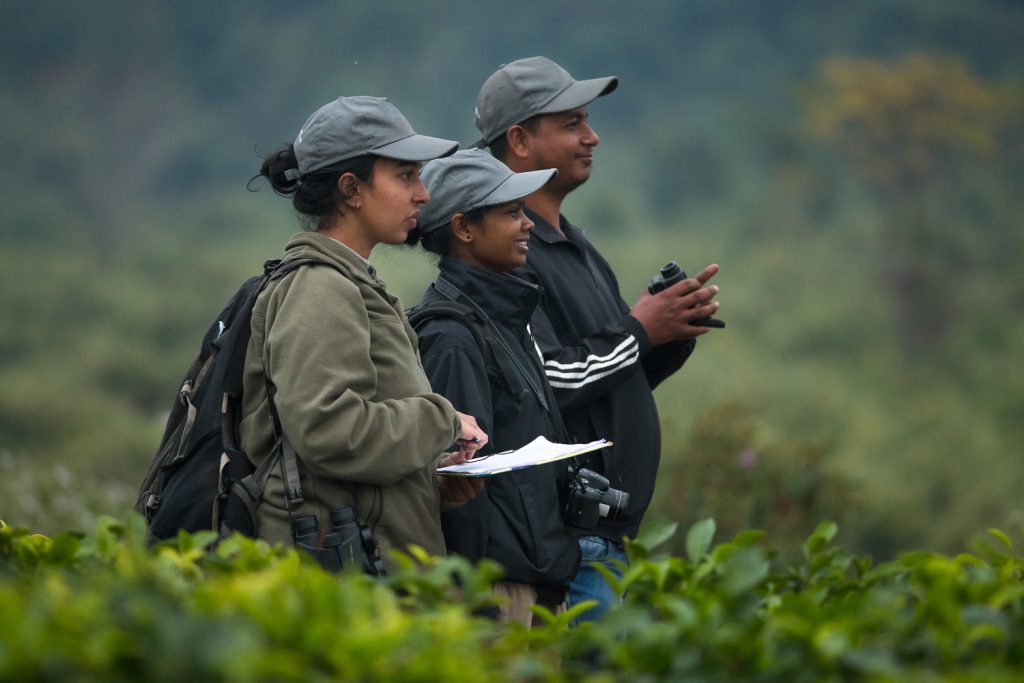
During a field survey (Image Credit: Varun R. Goswami)
In the landscapes you have worked in, what are some of the similarities (or differences) you have observed in how communities perceive wildlife, and the shared spaces they call home?
I have, so far, worked in Karnataka’s Western Ghats and the Kaziranga–Karbi Anglong landscape in Assam. In both regions, there is reverence, tolerance and value for wildlife—one of the main reasons for India to host vast biodiversity alongside high densities of people. In both places, I think that people are empathetic towards animals’ resource needs and understand that loss of habitat is a threat to animals.
Positive perceptions, however, do not always translate into favourable actions or behaviours—there are several factors that influence how human–wildlife interactions play out on ground. This is one of the key challenges in managing human–wildlife interactions, and where the need and opportunity for conservation arise. As an example, while people in the Kaziranga landscape generally revere and admire elephants, teasing and chasing of elephants also occur. The same is true of human–wildlife interactions in Karnataka.
Despite evidence of several species using forest-agriculture mosaics as corridors, the popular definition of corridors is still ‘linear, narrow, natural habitat linkages that allow movement’. While forested corridors are important, what does your work on elephants tell us about how they move through and use human-modified spaces?
Research carried out by seniors and colleagues at Conservation Initiatives on elephants shows that elephant movement is not restricted to forested corridors; animals move through human-use areas such as tea plantations, particularly in the monsoon to seek refuge from flooding of the river Brahmaputra. Animals’ ability to move through areas such as tea estates is important because tea estates are widespread in the Kaziranga landscape (as well as in other parts of Assam and West Bengal), and animal movement through such areas can be crucial for maintaining landscape connectivity. The same maybe true of human-use areas in other landscapes and for other species.
Human–wildlife interactions can influence animals’ ability to move through human-use areas. One important factor that affect animal movement in human-use areas is human behaviour itself, i.e., how people respond to elephants can affect how and where elephants move. This is one component of my on-going PhD research—to examine how human behaviour impacts elephant movement in tea estates and surrounding areas in the Kaziranga landscape.
As you seek to secure elephants in a large, heterogenous landscape that includes Kaziranga National Park and Tiger Reserve and the neighbouring tea estates, how have you navigated working with a diverse set of stakeholders (i.e. from Government officials, tea garden management, local ethnic communities, as well as communities that work in the tea estates, etc)? Has being a woman made it easier or more difficult to work with some of these stakeholders?
Fortunately, my experiences with stakeholders in this landscape—Government officials, local communities, and tea estate management—has been pleasant. People I have interacted with have been respectful, and I have not really felt that I am at a disadvantage because of my gender. Here, I will also give due credit to my team at Conservation Initiatives—having members from the local communities on the team makes it a lot easier to initiate interactions with local stakeholders and address issues that may arise. I also think that learning to speak the local language helps—I am not originally from Assam, and people appreciate that I try.
Tea-gardens can be a hotspot for conflict. Are there specific times of the year, or parts of the mosaic landscape where conflict is especially high? What have you found to be the most effective conflict-mitigation strategies?
In this landscape, elephants generally use tea estates throughout the year, but human–elephant interactions peak in the Winter months (Oct–Dec) because it is the paddy-growing season. Elephants enter paddy fields to consume crops, but to access the fields, they need to move through tea estates that are situated in the intervening space, and therefore, the frequency of interaction with people in tea estates increases.
While elephants consume paddy, they do not eat tea leaves and financial loss in tea estates in minimal. However, people—youth in particular—chase elephants in tea estates. This is not the same as people guarding crops, and such interactions have the potential to endanger both elephant and human lives. Mitigating this form of conflict needs a change in people’s behaviours towards elephants. While we (Conservation Initiatives) are engaging with the youth to bring about conservation awareness and interest, the process will take time and requires our long-term engagement with the community.
Another concern in the tea estates is that of human safety where people live—clusters of houses called labour lines within large tea estates. Sometimes, elephants move close to labour lines at night, or during the early hours of the morning, and if people cannot detect elephants from afar, there is potential for accidental encounters. Our past research highlighted the need to address this concern, and so, our team installed solar lights around labour lines in 10 tea estates, where both elephant and human activity was high. This measure received positive responses from the tea community. But more broadly speaking, I think suitable measures may vary with the context of human–wildlife interactions.
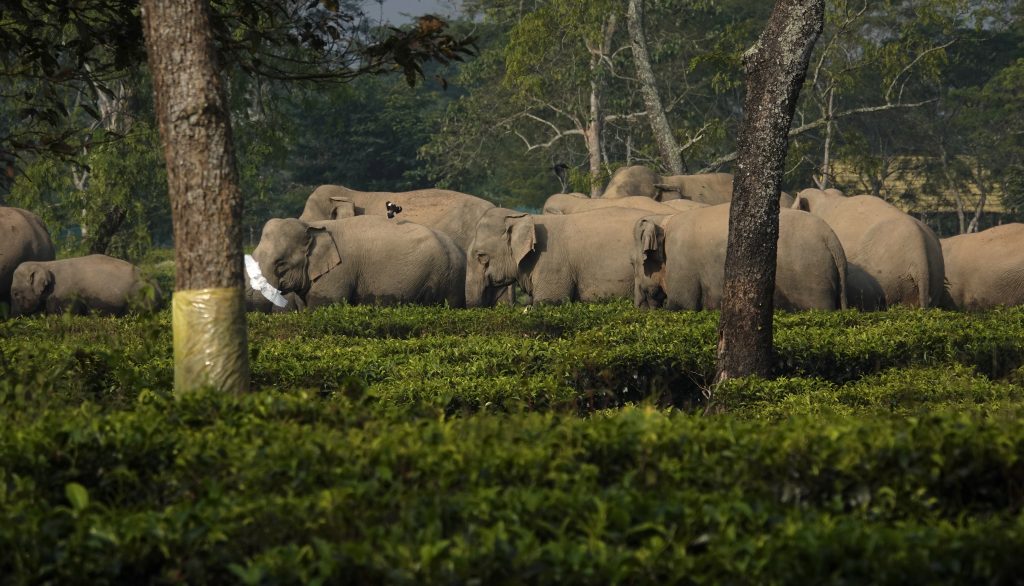
A herd of elephants moving through a tea estate in Assam (Image Credit: Parvathi K. Prasad)
Can eco-tourism play a role in strengthening community livelihoods in heterogenous landscapes surrounding protected areas and along corridors? Do you have any examples you would like to share? Might eco-tourism also serve to drive home the economic benefit of their conservation at the policy level?
I definitely think that ecotourism has the potential to strengthen community livelihoods and build support for conservation of species if it engages local communities and is practiced in a sustainable manner. I personally have little experience in this regard, but Kaziranga National Park is one example where tourism builds support for conservation. The National Park’s tourism sector employs a lot of local people—as gypsy drivers/owners, in restaurants and hotels, etc. As a result, there is support for conservation in the area. During the flood season every year, local communities support the Forest Department in rescue and treatment of injured animals. This overall support and awareness also reflects in people’s responses towards animals, including elephants in tea estates and other human-use areas—areas closer to the National Park, in my opinion, are a lot more positive in their interactions with wildlife than other parts of the landscape.
Several corridors in India are mosaics of fragmented forests, plantations and agriculture. From your work in these multi-use spaces, do you get a sense that the importance of these mosaics for connectivity is recognised by the stakeholders?
I think this may vary from place to place, with factors such as land use type and nature of animal movement. Kaziranga, for example, is a floodplain ecosystem. As mentioned, Brahmaputra floods annually, inundating large parts of Kaziranga National Park and animals move out of the National Park and move through human-use areas. The need for this flood-driven movement of animals through multi-use spaces is well understood by local stakeholders. They also understand that elephants move between forest fragments through such spaces; but, I am not so sure if they fully understand the importance of multi-use spaces in enabling movement and contributing to connectivity.
What are the foreseeable challenges in maintaining habitat connectivity? Realistically speaking, can they be maintained in the long-term, or is the arm of socio-economic development bound to cut through this longevity?
I think both infrastructural development and human–wildlife conflict are considerable challenges to habitat connectivity. That infrastructure development can hamper connectivity has been known for a while, but the latter is only now being recognised and studied. But knowledge aside, I don’t think connectivity features sufficiently in planning for conservation and development in India. Ensuring connectivity in today’s rapidly changing world will become increasingly harder I think, but I am still hopeful that with more research, communication and stakeholder engagement, connectivity will become an integral part of conservation planning.
How can we map wildlife connectivity in a future that is likely to have more humans, and therefore more human-wildlife interactions? Is that a disaster waiting to happen or a global case-study in co-existence?
Recent studies (Ghoddhousi et al., 2021 and Vasudev et al., 2022 for example) have brought to the fore the need to incorporate human behaviours and human–wildlife interactions into connectivity studies. Moving forward, more research in this space is needed to map connectivity and prioritise areas for connectivity. While it will be extremely challenging, I am hopeful that we can develop means to put it into action.
Welcome back to Corridor Conversations, and the next interview in our series on women working in connectivity conservation.
Today, Harshad Sambamurthy speaks with Tiasa Adhya, Co-Founder – The Fishing Cat Project
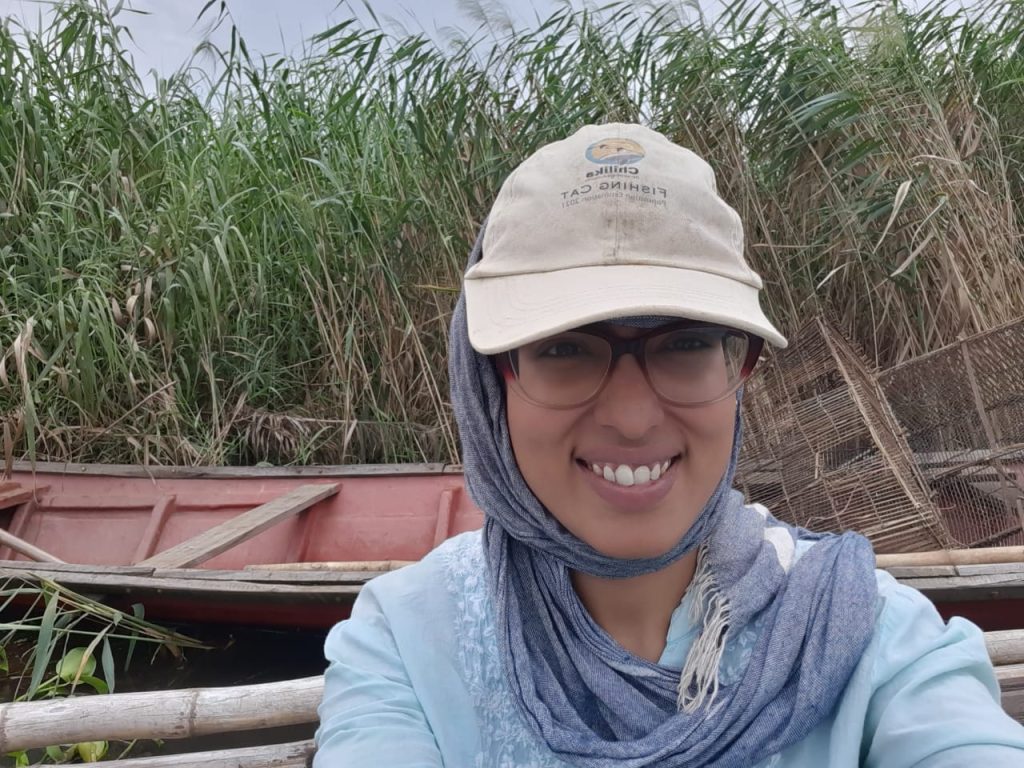
Tiasa Adhya
How has your journey in conservation been thus far? What drew you to this field?
It has been a journey of ups and downs and a journey that tests resilience.
I cannot particularly pin it down to a moment, (i.e., what drew me to this field). I do understand that my father’s love for nature got imprinted on me from a very young age. So, naturally as I grew up, the seeds of love continued to grow inside. Being a city kid, my neighbourhood lacked backyard ponds and even a playing ground but our alley happened and still happens to be the only non-concretised one in the neighbourhood. The trees and gardens in the surrounding plots were rapidly cut down and replaced by buildings while the trees in our alley stand tall even today. These trees along with books and films on wildlife that my father introduced me to kept nourishing a very strong love for nature in me and I wanted to do something to aid in the persistence of threatened wildlife.
Have you faced challenges as a woman working in conservation? What are some of the stereotypes you have had to fight against/ negotiate?
Of course I have. From sexual harassments to getting victim shamed – in short, what many women face in various sections of society working in various types of field.
I worked in one of the biggest wildlife organisations in Bengal as a fresher. Danone Fund for Nature funds this organisation for carbon credit projects. I was the field person who took the funding agency to the Sundarbans on their first field visit – sort of the field visit based on which the agency chose to work with this organisation. The representatives who came from the funding agency were French. They were very friendly and one of them started teaching me French words. When we were returning, he slipped a note into my hand which read “This is my room number. Let’s have some fun tonight.” I was dumbfounded of course and took the note to show it to the lady in the NGO who was the Project Director. In her college days, she was the first woman General Secretary of the student’s body of one of the best colleges in Kolkata; Presidency College. She was a popular leftist student leader and a shining beacon for the women in her college. So, automatically, I was expecting a just reaction from her. Not only did she do nothing and not speak a single word about the incident to the funders, but also told me that I should cover myself up more in the field, which happened to be the sweaty, muddy terrain of Sundarbans. While I can laugh at the hypocrisy now, I am angered by the several cases of sexual misconduct and harassment that is happening to women in wildlife. To all those who have had similar experiences, I urge them to speak up publicly about such incidents. There cannot be a negotiation with such forms of oppression, we need to fight and defeat it as the only long term solution.
Apart from this, I met a lot of the older men in this field as a budding wildlifer. These men were engrossed with the idea that wildlife and wild places were domains of masculine and macho men. They tried to make me understand that women were too fragile. Thirteen years down the line I would be glad to have a conversation with these men again but I do not think they would dare speak their minds anymore, that is, if they have not changed themselves already.
Thirdly, often it is easy for men to befriend poachers and work as on ground informants since they can light a bidi together or drink alcohol together – all well-known tools to bond socially. But I cannot do so as a woman. Everyone knows why. I have to be the quintessential daughter or sister, never a friend. This is something that is a hindrance, a constant irritant. The root of it lies in patriarchy. It’s well past time now. Threatened wildlife and patriarchy needs role reversal, patriarchy needs to go extinct.
What are some valuable lessons you’ve learnt that could benefit early-career women conservationists?
If you face sexual harassment in any organisation, let your close colleagues know about it, write an official mail without fearing consequences, file a police complaint, post in social media tagging prominent people, portals in the field as well as the National Women’s Commission and the Ministry of Women and Child Development.
On a different note, we would benefit if we moved away from using sanitary napkins towards menstrual cups. Not only does it significantly reduce our plastic footprint, menstrual cups maintain comfort levels in the field big-time.
Pertaining specifically to the field of conservation, I feel that my management skills improved a lot because I have mostly worked outside protected areas. Often, as students of wildlife, we work majorly inside protected areas, with the Forest Department as the only stakeholder. However, working outside protected areas, really trains one in dealing with multiple stakeholders. Cultivating this skill is crucial for any conservation practitioner as conservation needs to have a landscape-level approach.
Do not romanticize local communities and see local community conservation as a one stop solution for all conservation problems.
It is good to be aware of the fact that conservation is a continuous process that requires engagement, presence and innovation throughout. What works today and here might not work tomorrow and/or there.
Believe in yourself, in your abilities and in your dreams.
In some of the landscapes you have worked in, what are some of the similarities (or differences) you have observed in how local communities perceive wildlife, and the shared spaces they call home?
There is a lot of variation in how local residents perceive wildlife and their inter-relationships throughout and it is a good exercise to think why in certain places there is more tolerance or why certain wild animals are just tolerated more.
For instance, in human-dominated landscapes of southern Bengal, where I am working on Fishing Cat conservation, I feel that people have very little tolerance to wildlife in general and Fishing Cats in particular. In comparison, I observe that people in Chilika (in Odisha) do not bother about Fishing Cats.
If we delve deeper, we would see that in the Bengal landscape, Fishing Cats prey upon fishes from private ponds. This means that people incur a loss when Fishing Cats prey on fish that people spend time and money cultivating. However, Chilika belongs to everyone and no one. It is a huge lagoon and the largest in Asia with a high fish abundance. Therefore, if Fishing Cats fish from the lagoon, no human incurs a loss and therefore animosity does not colour human-Fishing Cat interactions. My understanding is that the more private our resources become, the more defined our perception of loss and more likely that the wildlife with which we share our resources with would be vulnerable in such shared spaces. On the contrary, the more communal and vast our natural resources are, the more likely wildlife will be tolerated by local residents.
The similarity across landscapes I have seen is the erosion of existing and cultural tolerance towards wild animals and a younger generation among the rural populace who are losing touch with their traditional ecological knowledge systems and pursuing urban aspirations.
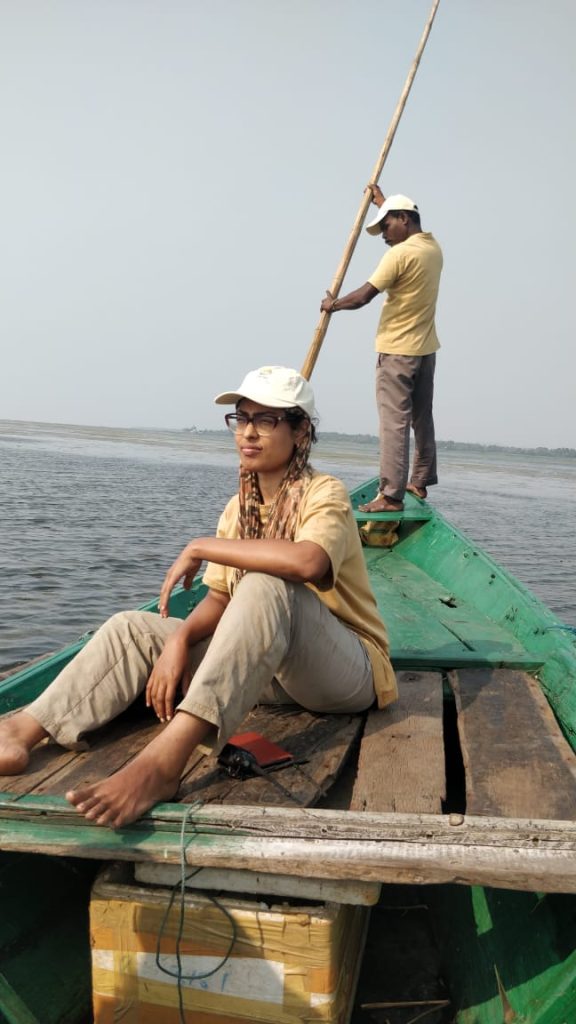
In the field, conducting a survey (Credit: Tiasa Adhya)
Are there any interesting myths or stories from folklore that can better inform us about the cultural heritage and symbolic associations of the fishing cat?
Think of Fishing Cats as the representative of a marginal community. A marginal community stays outside the mainstream consciousness. So are wetlands. People and policy makers generally think of wetlands to be plain waterbodies. They are generally oblivious to the fact that wetlands can completely dry up during the summer and flood during the winter. Moreover, society and policies see wetlands as water logged, and mosquito-infested wastelands. On the contrary, human communities that are strictly dependent on wetlands see them as homes. Unfortunately, the representation of such communities are minimal in mainstream literature and arts. Therefore, the Fishing Cat does not have any heritage tag or symbolic cultural associations.
However, the Angkor Vat temple complex in Cambodia has an outstanding story to tell in this context. Engraved onto this world heritage site is the figure of a short legged and short tailed cat with blotches swimming among a school of fishes – small and big. Unmistakably, it’s a Fishing Cat. This temple complex; built on the floodplains of the mighty Mekong demonstrates how an ancient civilization which once thrived at the same place regularly interacted with this cat. In this context, then the Fishing Cat is symbolic to a time of thriving floodplains that sustained human civilisations.
Many a time, media coverage focuses on large mammals traversing fragmented habitat. And habitat fragmentation is the primary threat impacting fishing cats as well. How can we highlight the importance of connectivity for fishing cats in particular, and small cats in general?
Rather than small cats, I would suggest that we view Fishing Cats as a member of the wetland ecological community. This is because small cats occupy various types of niches and exhibit differential levels of tolerance towards anthropogenic modifications. It would be difficult to understand how fragmentation affects Fishing Cats from the perspective of small cats. However, if we try to understand Fishing Cat connectivity from the perspective of degrading and rapidly disappearing wet landscapes, it would make much more sense. Fishing Cats; being carnivores, and belonging to the charismatic felid community, is capable of garnering crowd support and much needed attention on wetland connectivity issues. Conversely, we have a strong wetland law and excellent guidelines from the Ministry, which, if followed in letter and spirit, would work wonders for Fishing Cat conservation. Thus, more awareness and education among urban communities who are likely to have more powerful voices is needed to engender support and powerful advocacy campaigns for wetland and Fishing Cat connectivity.
Linear infrastructure can often lead to instances of roadkill. While mitigation measures focussed on large mammals are being incorporated in some places, are they likely to be effective for smaller species as well? What are some of the specific considerations for small cats/ fishing cats that need to be considered for such mitigation to be effective?
It might. We do not know. However, our mitigation measures focused on mega carnivores might be concentrated near protected areas, which might benefit Fishing Cats but will certainly not be enough. More than 90% of Fishing Cat distribution is present outside protected areas in human-dominated landscapes. Most of these areas are located in densely areas with high human populations. Tackling road kill incidents throughout the Fishing Cat range presents a difficult frontier for conservationists. We could cordon off both sides of roads by putting nets, and keep some portions open. In these portions we need to introduce bumpers and speed meters to check the speed of cars. Proper sign boards should be put up in these sections with information on the threatened status of wildlife and an appeal to drivers to slow down their cars.
What are the foreseeable challenges in maintaining habitat connectivity? Realistically speaking, can they be maintained in the long-term, or is the arm of socio-economic development bound to cut through this longevity?
If it is business-as-usual, we know what the answer would be. However, as a conservationist, I believe we should speak against business-as-usual. Wetlands are categorised as ‘wastelands’ under land use policies and this gives more power to socio-economic development to convert these dynamic and life-sustaining ecosystems. We must be vocal and see to it that the Indian wetland protection laws be implemented in letter and spirit. If we are able to unite our efforts and raise the decibel for wetland advocacy, we might just control the urge to accept
What have been some of your accomplishments with regards to fishing cat conservation? The challenges? Bringing this small cat to the forefront of wetland conservation?
Partha Dey, (my colleague), and I, co-founded The Fishing Cat Project (TFCP) in 2010. We started working in West Bengal where the Fishing Cat is the State Animal. However, awareness on the Fishing Cat was minimal then. So much so that pictures of dead Fishing Cats used to be published in leading newspapers as ‘civet cats’. We thus began spreading awareness by involving multiple stakeholders – local residents, civil administration and policy makers, student communities as well as the media. One indicator that this approach has been successful is the accurate representation of the Fishing Cat in newspapers today. Additionally, there are more eyes and ears looking out for the Fishing Cat and taking up independent conservation ventures now than there ever was. Our data on the Fishing Cat’s presence in one of the largest wetland expanses outside protected areas in West Bengal contributed to a favourable order and a landmark judgement from the court. Due to this court order, all such wetlands outside protected areas can receive protection.
India’s legal infrastructure is one of the strongest in the world when it comes to imparting protection to wetlands and also to wildlife. However, wildlife is the least of priorities, especially at present, and people know not what it means to destroy wetlands. Therefore, the challenge is to see to it that laws are properly implemented. Litigations are a good conservation tool to ensure proper implementation of our laws. However, these could become expensive affairs. I am still to see any funding agency that would fund litigations against the government. There is a lot of unnecessary emphasis on ‘community conservation’ as if that by itself will solve all conservation problems. These combined are some of the conservation challenges which many like me face.
Secondly, our work in Chilika led to the adoption of the Fishing Cat as Chilika’s official ambassador – a declaration which came from the Chilika Development Authority, the guardian government body looking after the health and wellbeing of Chilika and our primary collaborator in that landscape. It then led to the first population estimation of the Fishing Cat in Chilika which was done completely in a human-dominated landscape by involving fishermen communities.
One challenge of working with government officials is that implementation depends on the officer-in-charge. One can manage to form a good partnership with a good officer and work towards a good conservation plan. But then the officer is bound to get transferred and then the conservationist is back to square one wherein they will have to build a new partnership. In rare instances do these conservation plans get institutionalised (i.e., whoever is in charge will have to implement the conservation plan).
How can we map wetland connectivity in a future that is likely to have more humans, and therefore more anthropogenic development and human-wildlife interactions? Is that a disaster waiting to happen or a global case-study in co-existence?
If our policies are hell-bent on destroying wetlands, not only would it spell disaster for Fishing Cats but also us. Wetlands are our supermarkets, water reservoirs, purifiers, and carbon sinks. More ecologically unsound anthropogenic development would disrupt the ecological fabric that sustains both human communities and Fishing Cat populations, leading to decreasing resources and increasing conflict. I cannot imagine harmonious existence under such a scenario.
However, all is not lost. We still have an opportunity to make it work for conservation and for our future. Wetlands are known to be integral to achieving globally accepted and recommended Sustainable Development Goals (SDGs).Therefore, wetlands have to be conserved by advocating for their value in maintaining both society and biodiversity.
Welcome back to Corridor Conversations, and the next interview in our series on women working in connectivity conservation.
Today, Harshad Sambamurthy speaks with Ms. Shivani Dogra, Conservator of Forests, Yadadri Circle, Telangana (IFS Batch 2007)
Ms. Shivani Dogra, IFS Officer
How has your journey in conservation been thus far? What drew you to this field?
The journey has been great. I have had an opportunity to work in the forests of Andhra Pradesh and Telangana for the past 15 years; from the evergreen forests of coastal areas to places with the endemic Red Sanders. I have worked in various wildlife areas, and one of the most memorable experiences was in Kadapa; while working on the conservation of the critically endangered Jerdons courser. The journey continued to the Kawal Tiger Reserve, Telangana, and now, I am managing the dry deciduous forests in Yadadri.
I come from the hills where you are always amidst nature. So, nature has always been a part of my life growing up. While I was studying forestry during graduation, we were taken around the country and were exposed to various forest and wildlife management activities in various states and that’s when simple studies turned into a lifelong passion. Have never looked back since then.
Have you faced challenges as a woman working in conservation? What are some of the stereotypes you have had to fight against/ negotiate?
Conservation demands restriction and that is the biggest challenge. Though everyone understands the importance of conservation, no one likes limitation. The choice between conservation and development has always been debated and remains so. Hence the challenge is immense. Being a woman in conservation has never been a problem for me. It has rather got its advantages. Once people understand your intent and determination, they come along and it becomes easier to walk on this path. Though being a working woman sometimes poses challenges as you are under constant scrutiny from the system, and under pressure to prove your capabilities time and again.
What are some valuable lessons you’ve learnt that could benefit early-career women conservationists?
I would say, “Just Go Girl”. Never let anyone or any situation break you as a woman. You are always expected to fulfil all your responsibilities; be it as a homemaker, as well as an officer/ entrepreneur etc. There will always be stereotypes. Just Stand your ground, be firm in what you believe. Remember one thing: You are STRONG, CAPABLE, and BETTER in every sense one can imagine. Just Don’t stop.
In the landscape you work in, what are some of the similarities (or differences) you have observed in how forest-dwelling communities perceive wildlife, and the shared spaces they call home?
The forest-dwelling communities that really depend on the forests worship them and know how to use these spaces without breaking the balance. And that’s the Mantra of conservation. However, with the changing socio-economic, socio-political scenario; just like everyone, their perception is also changing, and they have started looking at the forest as a commodity.
At times, people do not want to acknowledge the importance of conservation and its importance to humanity. However, the efforts to protect and conserve nature as well as wildlife are showing results. Greening programmes have resulted in increases in green cover and has also led to awareness amongst the masses. One can see people actively participating in plantation drives and fighting for the cause of wildlife conservation. One can hope that the future for our younger generations is one that is green and clean.
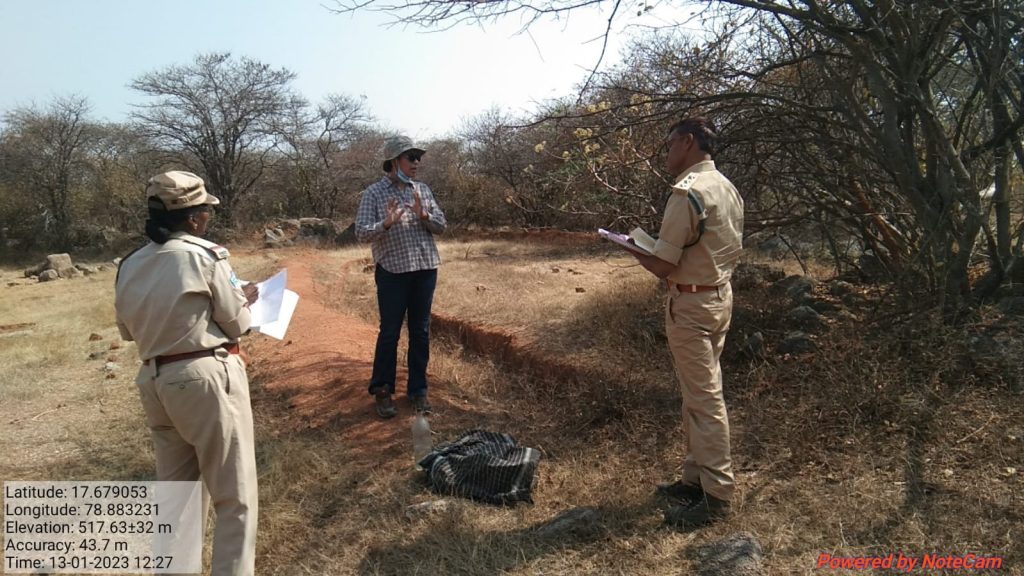
On a field inspection with local officers in Yadadri
In Telangana, are the local community supportive of the Forest Department’s interventions? As a Forest Department official, how have you navigated relationships with the local community?
They are. However, the dependency of the people on forests, and their socio- economic status has a lot to do with their support to the forest department’s interventions. Many a time, their livelihood is a major consideration when we talk of conservation. Therefore, it’s a tough battle between conservation and development; as both are necessary for the people. Communication is key. However, certain times, people are not ready and thereby make it difficult to navigate this fragile relationship.
Many a time, media coverage focuses on large mammals traversing fragmented habitat. How can we highlight the importance of connectivity for smaller species?
That’s very true. We need to create awareness on the importance of smalIer species in an ecosystem, and their role in improving the habitat for developing and improving habitats for larger species. The exposure of media to all kinds of lives in a forest, at different trophic levels, and the efforts of conservation, connecting various landscapes is necessary for various species be it avifauna, amphibians, aquatic, mammals, or reptiles. This will definitely bring focus on such important and lesser-known species and their habitat connectivity.
Linear infrastructure can often lead to instances of roadkill. Are there examples of mitigation measures from the areas you were posted in (or elsewhere) in Telangana that you feel have worked and feel to be effective, and think could be used in other landscapes?
In most cases, underpasses have been used as major mitigation measures to prevent wildlife roadkill. Besides this, the speed limits while passing through wildlife areas/ Protected Areas have also been very useful. In addition to that, regulating the movement of heavy vehicles during the night has also been very effective (e.g. by erecting check posts at the entry and exit of such wildlife areas). In certain instances, even speed breakers are useful. There can never be a common strategy that will work for all areas as it will have to be tailored to the terrain, kind of forests, etc. Hence, strategies can be devised and implemented based on wildlife locations and traffic.
What is the current status of tigers, and their connectivity in your landscape? What does the future hold?
Even though urbanisation has increased, tigers are traversing old corridors again. This could be due to biotic pressures or increases in tiger populations due to conservation efforts, and their subsequent search for newer territories. The future calls for protecting such habitats and connecting fragmented habitats, or else conservation efforts will be in vain. Also, we will have to deal with more instances of human – animal conflict; therefore the coexistence we talk about today might not be relevant tomorrow. So, protection of these corridors needs to be our utmost priority.
What are the foreseeable challenges in maintaining habitat connectivity? Realistically speaking, can they be maintained in the long-term, or is the arm of socio-economic development bound to cut through this longevity?
Striking a balance between conservation and development has always been the greatest challenge. Most of the corridors fall outside the forests and include human habitations and other development areas, and as such, it is very difficult to exercise regulations on certain activities for maintaining such corridors.
With corridors not recognised as a legal category, how does the Forest Department navigate that space? Is there internal clarity/ policy in place? What are some of the challenges here?
Constantly trying to connect with people and explain to them how coexistence is the key to the existence of the humankind seems to be the only solution that I can think of right now, which is being followed by the Forest Department in wildlife corridors. There is no doubt on the policy or the guidelines, though it is a challenge to convince people to give preference to something that is not directly beneficial to them.
How can we map tiger connectivity in a future that is likely to have more tigers, and surely to have more humans, and therefore more human-wildlife interactions? Is that a disaster waiting to happen or a global case-study in co-existence?
It is all in our hands whether we want a disaster or coexistence. The definitions and understanding of development needs alteration. A culture that protects nature consciously is imperative. In India, I do not think it is difficult for our society, where we already worship all elements of nature. We worship possible plants and animals. A little push is all we need. I think coexistence is the only option we are left with.
Welcome back to Corridor Conversations, and the next interview in our series on women working in connectivity conservation.
Today, Harshad Sambamurthy speaks with Dr. Mahi Puri, Coexistence Scientist, Cincinnati Zoo and Botanical Gardens
Dr. Mahi Puri
How has your journey in conservation been thus far? What drew you to this field?
Becoming a scientist or working in the field of conservation was never on my radar. Growing up, I was that annoying person who would go around switching off lights in the house or turning off the tap when someone was brushing. So, a conservation ethic was always there. Beyond that, I was unaware of any potential career paths in this field. A meaningless 6-month stint in the corporate world led me to explore options, and fortunately, I was soon hooked to wildlife conservation!
The journey has been long. With no prior background, knowledge, or mentors in the field, I dabbled in wildlife filmmaking, rescue and rehabilitation, and finally research. I was on a constant quest to keep gaining more skills and learn about different pathways to bring about conservation success. My academic pursuits, including a Masters, and later a PhD, were always aligned to making a larger conservation impact.
Of course, the journey has had its fair share of frustrations. Imposter syndrome, gender bias, cynicism and financial insecurity have remained a constant through a significant part of the last 15 years. But it has also been a journey of self-exploration that has been extremely fun and rewarding. Over the years, I have had the opportunity to work across spectacular landscapes of India; from the alpine mountains of Kashmir to the grasslands and rainforests of North-East India, from the deciduous forests of Central India to the rich and diverse ecosystems of the Western Ghats. For a brief period when I studied inter-tidal gastropods, I hopped across beaches along nearly 1200 kms of the Western coastline! All these experiences exposed me to how extraordinary India was, not just in its wildlife and wild spaces, but also across cultures. Along the way, my passion for wildlife intersected with a more nuanced understanding of the myriad ways in which people navigate living with wildlife and their perceptions about conservation, livelihood security and governance issues. I have also had some incredible mentors and colleagues who’ve taught me an extraordinary amount about wildlife conservation, hand-held me through the highs and lows of academia and to pursue my passions without compromising on work-life balance. The evolution in the quality and type of work I have pursued is a consequence of all the above and is linked to my personal growth in the field.
Have you faced challenges as a woman working in conservation? What are some of the stereotypes you have had to fight against/ negotiate?
Yes and no. Today I see a lot more women working in conservation, but that was not the case a decade ago in India. For most of my field expeditions, I was the only woman in a team of 4 – 10 men. While I remained safe from issues of sexual harassment at work, I’ve always had to prove my abilities to do even the most basic tasks; be it my ability to drive on dirt roads, to be able to walk in tough terrain or areas with abundant elephants or large carnivores, and to be able to lead teams. Once, a supervisor asked why I was in a forest, and not in a beauty salon! Someone else said that I looked like an adivasi because I had tanned after 3 months in the field. I’ve navigated similar questions from colleagues, forest department officers, and family members. That women should stick to social science and avoid ecological research was a common thread. Again, while these biases should not be a part of any female scientists’ experiences, in my own projects I have tried to do the opposite by including an equal number of women volunteers/interns, ensuring their safety in field camps, and creating opportunities to learn both ecological and social skills in interdisciplinary projects, irrespective of gender.
What are some valuable lessons you’ve learnt that could benefit early-career women conservationists?
Speaking from a position of privilege, while my family did worry about my personal and financial security in my early years, they stood by me and supported me. I recognise that that may not be the case for many early-career women conservationists. I think that one of the big factors that built my family’s trust in my choices was the courage, determination and empathy I demonstrated. At some instances I may have even been labelled as stubborn! But my personal experience has taught me to keep striving for excellence, keep taking small steps towards larger goals, and to ignore the noise that questions your abilities. Also, take it slow. There’s no rush to fall to societal norms of when to get married and when/whether to have children. If along the way you feel you’re stuck, reach out. You’ll always find some guidance – intellectually, emotionally, and spiritually.
In some of the landscapes you have worked in, what are some of the similarities (or differences) you have observed in how forest-dwelling communities perceive wildlife, and the shared spaces they call home?
This has been so interesting to observe. Within the academic/professional conservation circles, we all boast about the tolerance for, and acceptance of, wildlife among communities in India. There is an incredible amount of respect that I have witnessed for wildlife and wild spaces, be it among the Toda communities in the Nilgiris or the Gond and Baiga in Central India, or the Gujjars and Bakarwals of Jammu and Kashmir. Wildlife are seen as sentient beings with their own powers, agency and needs. There is also immense knowledge about the ecological role of different species. Once, an elderly woman went into a state of trance when we showed her a picture of a tiger for a survey. Another time, a farmer in Madhya Pradesh collected the soil from a tigers pugmark on his farm to worship because tigers kept the deer away and thus protected his crop. Having said that, different species of wildlife present a multitude of stresses to people’s daily lives and livelihoods. These challenge people’s inherent value orientations. People’s value systems are also constantly being challenged and shaped by governance institutions and the associated power dynamics. As a conservation scientist, its very important to tease apart all these complexities to prevent values from eroding while ensuring sustainable livelihoods.
Conducting stakeholder interviews
In a paper of yours, you illustrated how the usage of media reports has helped examine leopard distribution, cases of depredation, and suggested management practices outside PAs. While media coverage can often be a good source of information for larger mammals, how can we highlight the importance of connectivity for smaller species?
This project took place while I worked at WCS-India/Center for Wildlife Studies in 2014. The organisation’s media and communication team collated daily news about wildlife from across India, and more intensely, from within Karnataka (by including regional media as well) and shared this with the employees. What an incredible asset! For us scientists (and nerds), this was data! Yes, species like leopards, tigers, elephants, bears etc. catch the media’s attention and do get reported more frequently because of their charisma, elusiveness and the nature of their interaction with people (whether positive or negative). However, I think media reporting is also linked with the kind and amount of research that’s happening on the ground. If there is good research ongoing or available, and scientists to reach out to, then it may be easier to have popular articles on different species. Conservation attention can be garnered for several smaller species by conducting long-term ecological studies on them. For example, no one talked about fishing cats a few years ago. But rigorous and long-term projects on the species’ ecology have brought attention to their needs, threats, and their overlooked wetland habitats. If similar quality of work is conducted on other species, then we can bring media attention to them as well. To start with, there is a tremendous amount of by-catch data already available from camera-trap studies that were targeted at large mammals (especially tigers). Establishing baselines from these datasets can be the starting point for more long-term work, whether it’s on species diets, behaviour, habitat use, population dynamics or interactions with people.
Setting-up a camera-trap
What are the foreseeable challenges in maintaining habitat connectivity? Realistically speaking, can they be maintained in the long-term, or is the arm of socio-economic development bound to cut through this longevity?
Infrastructure development and land-use change are some of the biggest challenges. These threats are not going to get eliminated any time soon. To maintain connectivity, conservationists are faced with two approaches, which can sometimes be ideological conflicts. One, develop neo-liberal solutions that integrate market-based solutions and work around/with these capitalist challenges. Two, a radical conservation approach where forests are set aside and conservation is in the hands of communities. Personally, my research has been an attempt to bridge these approaches and find a pathway through which communities can be empowered (through financial and non-financial incentives, and capacity building) to conserve wildlife and shared lands.
Can eco-tourism play a role in strengthening community livelihoods along corridors? Might it also serve to drive home the economic benefit of their conservation at the policy level?
The four key principles of ecotourism include environmental protection/ wildlife and nature conservation, community participation, socio-economic development, and education and awareness. In its current form, the type of tourism that’s being practiced around most nature reserves in India is not ecotourism (there are some exceptions). It is still largely an exclusionary industry with limited assimilation of any of the principles. However, I think ecotourism as a concept has tremendous potential both from the perspective of connectivity conservation as well as community engagement and socio-economic-political empowerment in conservation decision-making.
Several corridors in India are mosaics of fragmented forests and agriculture. From your work in these multi-use spaces, do you get a sense that the importance of these mosaics for connectivity is recognised by the stakeholders?
I can only speak from my experience in Central India where I have worked in corridors. While local communities recognise and acknowledge the importance of forests and wildlife, I think the understanding of the larger role of corridors or the part that people play in maintaining connectivity is missing. Yes, there has been a lot of awareness campaigns and outreach carried out by different NGOs working in the landscape. But to a large extent, they’ve been limited to only imparting knowledge. Beyond that, the term “corridor” often has a negative connotation and is associated with another tier of protection that may bring about relocation, or increase wildlife numbers, and therefore conflict. Through my conversations and work with farmers, I have learnt that clarifying that link and emphasising people’s crucial role in connectivity conservation can be very encouraging as it has the capacity to enhance people’s self-efficacy, or the perception that they have the ability to make a difference to conservation as well as to their welfare.
How can we map wildlife connectivity in a future that is likely to have more humans, and therefore more human-wildlife interactions? Is that a disaster waiting to happen or a global case-study in co-existence?
The cynic in me always asks this question. But to continue working in this field requires keeping hope. As a conservation scientist, we have to keep finding ways to innovate and find solutions so that coexistence can be fostered, maintained or enhanced, whatever the case may be. But it’s also important to remember that coexistence does not mean a complete absence of conflict. With conservation success, losses to both people and wildlife are inevitable. The challenge is to identify what are the tolerable levels of losses, and to revise those thresholds with changes in the local dynamics.
How has your journey in conservation been thus far? What drew you to this field?
For me, it has been incredibly rewarding to work in this field. When I started studying ecological corridors in 1996, some leaders in conservation biology questioned whether corridors were really necessary. Today, connectivity is prominent in four different places in the global biodiversity framework created in December 2022 at COP15. So exciting to be part of that shift! Also, it is promising to see conservation advancing globally as well as across the Yellowstone to Yukon (Y2Y) region, where protected areas increased by more than 80% and where there were zero structures to help wildlife get over and under roads safely in 1993 to now 117 such structures across the region. We have so much more conservation to do, but such progress is incredibly heartening.
Have you faced challenges as a woman working in conservation? What are some of the stereotypes you have had to fight against/ negotiate?
Certainly, I have faced challenges as a woman, especially in the first couple of decades in my career when I was frequently one of the only, if not the only, woman in the room. I feel lucky that most of the people I worked closely with supported me. In one case, a person with seniority told me to watch that I wasn’t too ‘aggressive’, which I could only privately laugh at given that this person often raised their voice aggressively and acted unprofessionally. In another case, someone told me that my salary should not be the same level as the person previously in a position I was taking, both because it was too big of a salary leap and because I was ‘too young’ and I shouldn’t move up too fast. That too was ironic because a new CEO arrived at that organisation who was almost my age, clearly making significantly more money.
What are some valuable lessons you’ve learnt that could benefit early-career women conservationists?
Three recommendations:
Learn to negotiate – I have now hired many early-career professionals. My observation is that males were much more inclined to negotiate for what they wanted during and after hiring; be it salary, office spaces, special opportunities, or other priorities. Everyone can benefit from practice and learning how to engage in professional negotiations for themselves and their staff much earlier in their career.
Be comfortable being seen – Where other big personalities dominate rooms, I have witnessed early-career women who try to blend into the background. However, remember that we all have something to contribute and making space for your ideas as well as ideas of others is important.
Work with people who support you and you support – The number one contributor to job satisfaction is whether one enjoys working for their supervisor, followed by whether one feels they have a good team. This requires nurturing, attention, and caring about relationships. Occasionally it may require leaving a seemingly good job for another job if the environment can’t be a positive space.
In the landscapes you have worked in, what are some of the similarities (or differences) you have observed in how communities perceive wildlife, and the shared spaces they call home?
I have had the good fortune in living and working in a variety of places around the world. In highly urbanised areas like New York City, I found that, generally, people appreciate green spaces and the idea of wildlife, but many would be averse to hunting. This is in contrast to rural communities in Montana, where hunting for food is normalised and very much a part of the culture; and therefore a different way of relating with nature. In recreation-focused communities like Canmore in Canada, nature is often viewed more as a place to hike, ski and more. In many rural communities of Zambia, and among Indigenous communities in the Yellowstone to Yukon region, humans and culture are often viewed as being strongly interlinked with nature; where humans are part of nature. That is to say, that perceptions of nature may be highly dependent on where one grows up and the communities within which one is raised.
The Yellowstone-Yukon region (Credit: Y2Y)
Many a time, media coverage focuses on large mammals traversing fragmented habitat. How can we highlight the importance of connectivity for smaller species?
Bigger, charismatic animals can often help to tell a story. Once a community or key audience begins to understand the importance of connectivity for wildlife, it may be time to talk about the connectivity for smaller species be it frogs, mycorrhizal fungi in the ground that connect trees, or other species. Storytelling is a much more powerful tool than science facts. Those of us in the science community would do well to practice our storytelling and pair up with communications experts to help us tell our stories in ways that best resonate with key audiences and ultimately obtain needed support for key conservation actions.
Linear infrastructure can often lead to instances of roadkill. What are some of the mitigation measures you have used/ studied/ seen in the field and feel to be effective, and think could be used in other landscapes?
At this time, the most effective tools we have for addressing linear infrastructure, such as roads or rail lines, is using under- and overpasses for wildlife to move across them. These structures generally need associated fencing to direct wildlife off of roads and to the structures themselves.
One of the world’s most studied crossing systems is in Banff National Park in Canada which has 38 underpasses and 6 overpasses across an 82-kilometre section of the Trans-Canada Highway, which divides the park. We know from the cumulative research that it took time for wildlife to find, and increasingly use these structures. They are also highly effective, eliminating 96% of collisions with hooved animals. Research also shows that males and females of the same species may have different needs. Female grizzly bears with cubs, for instance, use overpasses, whereas males will use under- or overpasses, so overpasses are vital for demographic connectivity in the long term.
We are already seeing these structures used around the world: from India with elephants and tigers, and in China, where the Chinese buried a road to re-create landscape connectivity for pandas. Europe, Australia and South America are also advancing various types of over- and underpasses for their wildlife. It is truly awesome to see these proliferate around the world. Perhaps success is when such structures are normalised and thus required for any busy highway.
One of the six overpasses in Banff (Credit: H. Locke)
What are the foreseeable challenges in maintaining habitat connectivity in countries in South and South-East Asia? Realistically speaking, can they be maintained in the long-term, or is the arm of socio-economic development bound to cut through this longevity?
I am no expert in Asia conservation, so I will just offer some high-level thoughts. The Belt and Road Initiative and other insidious and continual road building especially across largely intact swathes of nature not just in Asia but throughout the world are huge challenges because each country must decide where those roads will go and how much to allocate to mitigating these linear developments for nature. Like any infrastructure, wildlife under- and overpasses and associated fencing does require ongoing maintenance, and over the longer-term, even replacement. Whether such maintenance is achieved will depend on the values of those in charge because there is always competition for scarce dollars. Countries like Bhutan and Costa Rica have prioritised connectivity conservation and protected areas because their economies are dependent on nature. For such structures to be installed—not to mention maintained—requires that the society where these will be installed values nature and understands the importance of connectivity. This means citizens will support and even demand that their government will continue to prioritise them not just in the short-term but over time.
What were some of the challenges you faced when helping establish the Yellowstone – Yukon initiative? What role do the various local and indigenous communities play, both for establishment and maintenance of this massive landscape?
In 1993, when the idea of the Yellowstone to Yukon (Y2Y) vision was created—of connecting and protecting an area from south of Yellowstone National Park in Wyoming to the Arctic circle in the Yukon for people and nature to thrive—many were attracted by the ambitious and audacious idea, but others felt it was absurd. A popular TV show in the early 2000s, The West Wing, presented it as a ‘crackpot’ idea. Others wondered whether such a big vision would make a difference since conservation action has to happen at a much more localized scale. Now that we are 30 years into realizing that vision, we have been able to prove that the vision is something that so many people and groups have rallied around, and the result is concrete and tangible conservation such as new protected area creation happening in the Y2Y region at double the rate of protected area creation across North America.
The Y2Y region criss-crosses at least 75 Indigenous Territories, and Y2Y recognises the importance and value of Indigenous knowledge acquired by Indigenous Peoples over the course of their long relationship with the landscape and seek to respect and uphold Indigenous rights. Today, about a quarter of protected areas are managed or co-managed by Indigenous Peoples. In the Canadian portion of Y2Y, about 14 million acres of new protected areas have already been agreed upon in the last few years by Indigenous, regional and federal governments, all of which will be designated on-the-ground soon. Many other Indigenous governments are advancing visions of new Indigenous-led protected and conserved areas, and Canada is committed to advancing new Indigenous protected and conserved areas. In the United States, Indigenous People are also increasingly putting forward ambitious conservation visions such as the Nez Perce vision of a Camas to Condors climate change corridor initiative or the transboundary Blackfoot Confederacy Iinnii Initiative, which is focused on conservation of traditional lands, Blackfeet culture, and restoration of buffalo. That is to say, that Indigenous Peoples are critical in both the establishment of, and long-term care, for protected areas across the Y2Y region, and it is a way for them to realise their rights across their territories.
A Grizzly Bear in Yellowstone National Park (Credit: Y2Y)
How can we map large mammal connectivity in a future that is surely to have more humans, and therefore more human-wildlife interactions? Is that a disaster waiting to happen or a global case-study in co-existence?
I wish that I had the crystal ball to anticipate the future. Given that such a crystal ball doesn’t exist, it is important that we understand and prioritise connectivity conservation between protected areas. We know that isolated protected areas generally cannot maintain all the species and processes required to sustain a healthy, functioning system and that connectivity can help, and that climate change means that many species will need to move across time and space make connectivity all the more essential. Lots of global connectivity mapping has been and continues to be done, from Saura et al.’s efforts to model the level of protected area connectivity globally or Kauffman et al.’s ongoing effort to map ungulate migrations.
Such mapping helps us understanding where the critical places are, but must be followed by a second step: ensuring that these places are conserved for connectivity over the long-term. The IUCN Guidelines on Ecological Network and Connectivity provides strong guidance on how to get to enduring connectivity conservation. Many countries and regions around the world have already developed formal programs (e.g. Australia, Canada, Costa Rica, Europe’s Natura 2000, Kenya, Tanzania, etc.), and the new globally agreed upon Biodiversity Framework prioritises connectivity, which is both a mandate for the world and a recognition by global society of its importance. Our job then is to get it done in the Y2Y region, in India and around the world so that we are able to conserve nature at the scale that it needs to be conserved!
We are excited to launch Corridor Conversations; an interview series with women working in connectivity conservation.
To kick things off on International Women’s Day 2023, Harshad Sambamurthy speaks with Dr. Uma Ramakrishnan, molecular ecologist and Professor at the National Centre for Biological Sciences (NCBS), Bengaluru, on her journey and work.
Dr. Uma Ramakrishnan (Credit: Prasenjeet Yadav)
How has your journey in conservation been thus far? What drew you to this field?
I have been lucky to have had the amazing opportunity to see India through the lens of wildlife while investigating conservation science. Through the last eighteen years of my career in India, I have worked with my laboratory colleagues on birds, lizard, and mammals. We have worked in most habitats and states (with the exception of Tripura, Jharkhand and Bihar).
Conservation science itself is a difficult field, the state of the environment can be depressing. It’s like this secret you are privy to that will negatively effects lots of people and is really sad. Yet no one seems to take it seriously! You feel like shaking people and asking them: “don’t you realise that extinction rates are very high right now? That biodiversity loss is real? That soon, the impacts of our changing climate will be devastating? That zoonoses will become more and more common, as the interfaces between humans and wildlife increases?” Many times, the results you find do not get translated into action on the ground, not because it is not good science, but because there are other considerations. But you just have to keep going. Pursuing a career in conservation science requires determination! But not everything is negative! I think we have witnessed recovery of tigers, for example, over the last decade. That’s really cool and something to be happy about!
I always loved animals, wildlife and wild spaces! Growing up, our family moved a fair bit, and my father loved to travel. I would insist on going to zoos wherever I visited! I was lucky to grow up in the Indian Institute of Science campus where I was exposed to researchers studying ecology at the Centre for Ecological Sciences through high school and college. I visited the Western ghats many times, and somehow, just loved wildlife. Conservation naturally came after.
Have you faced challenges as a woman working in conservation? What are some of the stereotypes you have had to fight against/ negotiate?
Hmm… difficult question to answer. I think the hardest part of this work is the permissions process. Not because you do not get them; I am lucky to have permits in many places and like I said, have worked in many locations, but the process just takes long and is uncertain. These spaces, that of bureaucracy, is very male dominated. I guess I have just internalised it, but recently my teenage daughter came with me for such a meeting, with forest officers, and she commented on how male dominated these spaces are. I realised this afresh. It is not that I have faced any significant challenges because if this, but just something to realise. This makes for a dynamic of a certain kind. Stereotypes, well, because I am relatively informal and laid back, many people think I am not very serious. This is not true at all! In fact, quite the contrary, I am very serious and committed to my work.
What are some valuable lessons you’ve learnt that could benefit early-career women conservationists?
Never think you are less. Even if you think your family or personal responsibilities will slow you down, don’t worry about it, everyone has them. Believe, deep down, that you are unique. And bring your unique energy, perspective and brilliance to whatever you do. Understand your strengths, and don’t hesitate to bring them to the forefront of what you do. Put simply, believe in yourself!
Dr. Ramakrishnan with her students at NCBS in 2014
Many a time, media coverage focuses on large mammals traversing fragmented habitat. How can we highlight the importance of connectivity for smaller species?
A very important question. I think some of the research we are doing on multi-species connectivity might be a great way to highlight connectivity needs for varied types of species.
Also, we can try to focus on habitats, restoration and other such activities outside protected areas that will effectively result in both human benefits through ecosystem services, as well as connectivity for smaller species.
Linear infrastructure can often lead to instances of roadkill. What are some of the mitigation measures you have used/ studied/ seen in the field and feel to be effective, and think could be used in other landscapes?
In my experience, underpasses for wildlife are effective. In addition, it might be interesting to try traffic regulation (hours and types of vehicles) as well as push-pull strategies that repel/draw wildlife towards specific paths/areas. This is an area that needs more research in India, as evidence-based strategies are critical to plan and successfully implement mitigation.
What are the foreseeable challenges in maintaining habitat connectivity? Realistically speaking, can they be maintained in the long-term, or is the arm of socio-economic development bound to cut through this longevity?
I am a bit of a pessimist in this regard. I think that at least for species like tigers and elephants, it will be increasingly difficult to maintain connectivity naturally. I feel that 50 or so years from now, we might have to move to a model of managing connectivity through animal introduction. But maybe I will be proven wrong!
We now understand that tigers in Ranthambhore are genetically isolated. Without connectivity to Kuno, for example, these tigers might lack the genetic diversity for longevity. How can we further this link, between corridor maintenance and genetic diversity at a policy level?
Difficult question! From a science perspective, we have shown that tigers here are inbred. I would like to be able to better understand the impacts of such inbreeding in the future. When might we see inbreeding depression (decreased individual fitness which will eventually result in lower growth rate), and how will this inbreeding depression look like? What level of gene flow from another gene pool would offset it? These are all important questions. In terms of policy, they relate to the questions above. If we are eventually unable to maintain connectivity, all populations will become isolated like in Ranthambore. How will we then devise genetic rescue strategies? I hope that in the future, such management and policy can be developed based conceptually on population genetics and demography, built on genomic data and our understanding of phenotypic effects of genetic variation. It is my dream to contribute scientifically to such a policy!
Uma in the field with her team
How can we map tiger connectivity in a future that is likely to have more tigers, and surely to have more humans, and therefore more human-wildlife interactions? Is that a disaster waiting to happen or a global case-study in co-existence?
Very, very, difficult question. I think about it sometimes in the middle of the night, especially because in my lab, we have studied both: connectivity and conflict. I can only say that integrative approaches, such as those highlighted in Vasudev et al. 2022, would be a critical first step. I look forward to rigorous testing of the models and approaches they propose so that we can move towards addressing both sides of the same coin.